In this blog:
- How PHG and nShift deliver a smoother experience from warehouse to doorstep
- From pack to dispatch without the extra steps
- Supporting the data that matters
- Why it matters for fulfillment teams
- See it in action
- Further reading: nShift fulfillment integration FAQs
How PHG and nShift deliver a smoother experience from warehouse to doorstep
Warehouse teams are under constant pressure to move fast and stay accurate. But when your warehouse management system (WMS) and delivery platform aren’t connected, fulfillment slows down.
The order is picked. The parcel is packed. But before it can leave the warehouse, someone still needs to book the carrier, generate a shipping label, and copy the tracking number into another system.
These kinds of manual steps still happen every day. They cost time, introduce errors, and increase pressure on already busy warehouse teams. But they don’t have to.
That’s why Prime Horizon Group, a Blue Yonder accredited consultancy and valued nShift partner, developed an integration that connects Blue Yonder WMS directly to the nShift delivery experience and management platform. The result is a seamless, automated path from pack to dispatch — designed to reflect real-life fulfillment workflows.
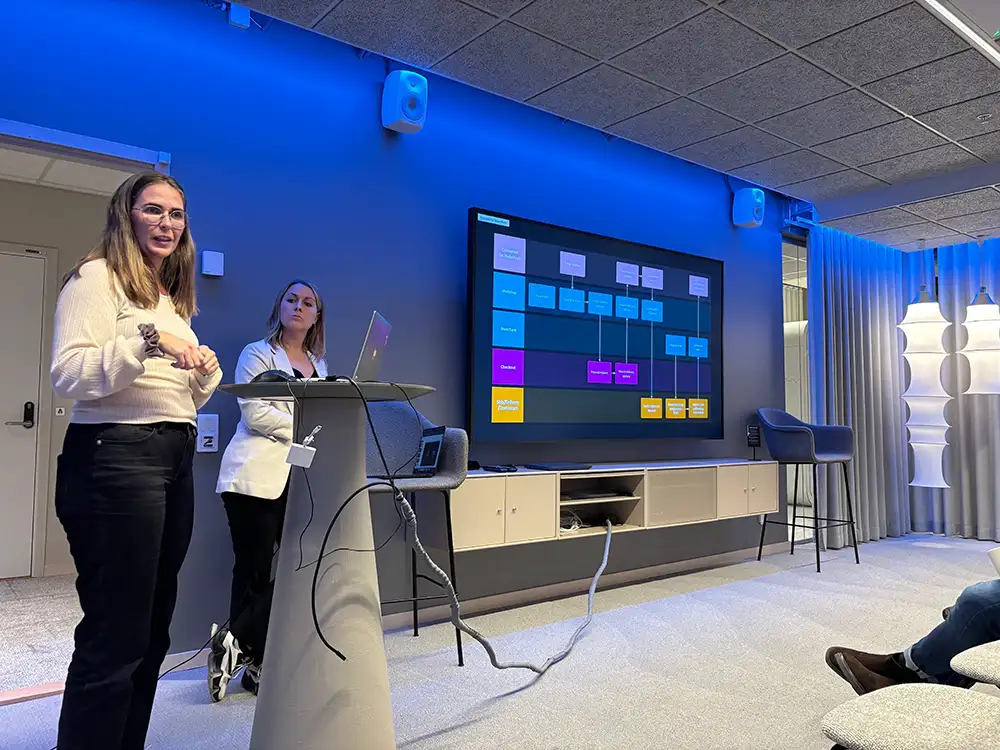
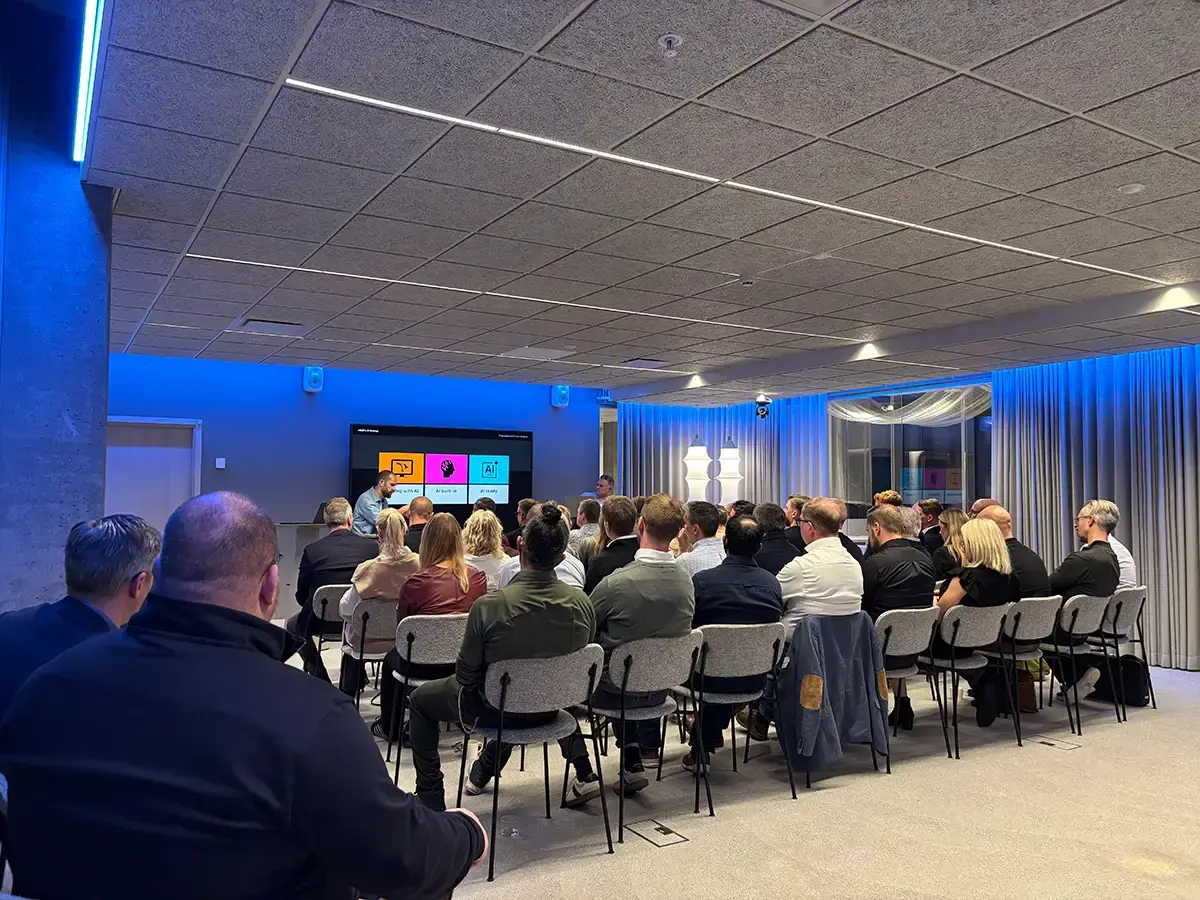
PHG brings deep expertise in warehouse management systems and is a valued member of the growing nShift partner ecosystem. We recently showcased this integration in a joint webinar, now available to watch on demand.
From pack to dispatch without the extra steps
In the webinar, we demonstrated the integration in action by following a real order from warehouse to doorstep. It begins with pack confirmation in Blue Yonder. As soon as that’s completed, the system automatically connects to nShift to generate a shipping label, book the carrier, and return tracking details all without manual input.
There’s no need to re-enter data or switch screens. Shipment data flows instantly and consistently between systems, allowing fulfillment teams to focus on operations rather than administration.
Supporting the data that matters
The integration supports the key data needed for shipping, compliance, and performance tracking — including receiver details, product-level information, and insurance fields. It’s also configurable, enabling businesses to align the data flow with local regulations and specific carrier requirements.
This ensures fewer errors, easier audits, and more accurate reporting across the delivery journey.
Why it matters for fulfillment teams
For warehouse and supply chain professionals, the value is both immediate and measurable. This integration helps businesses:
- Eliminate manual handoffs and reduce admin effort
- Accelerate order processing and dispatch
- Improve real-time tracking and customer visibility
- Support scalable, multi-carrier delivery across regions
"The last mile accounts for over half of supply chain costs. Our collaboration with nShift helps logistics organizations reduce these costs while improving delivery performance. By bringing together our deep warehouse expertise and nShift’s advanced delivery management capabilities, we can jointly address the biggest pain points in modern fulfillment.” — Andy Whatling, CEO, Prime Horizon Group
Together, this solution offers fulfillment teams a faster, more consistent way to move orders from warehouse to doorstep, minimizing delays, reducing risk, and freeing up teams to focus on what comes next.
See it in action
Catch the full demo on demand to watch the integration in action — and discover how it simplifies fulfillment from pack to dispatch.
It’s all in the delivery
From checkout to emissions, nShift gives you full control of delivery management at every step — with branded experiences, smarter shipping, and access to 1,000+ carriers.
Explore the nShift platform
Further reading: nShift fulfillment integration FAQs
What is the integration between Blue Yonder WMS and nShift?
How does the integration improve order processing speed?
What data flows are supported by the integration?
What are the benefits for warehouse teams?
How does this solution impact last-mile delivery costs?
Can this setup support scalable, multi-carrier shipping?
Who is Prime Horizon Group and why are they involved?
Is there a demo or webinar available?

About the author