In this blog
- Where fulfilment and delivery often drift apart
- What cross-border logistics signals tell us
- Learning from integrated logistics models
- Cross-border as a reality check
- The role of ecosystems in modern logistics
- A practical conversation at E-commerce Berlin Expo
As ecommerce grows globally, the complexity of logistics grows with it, not just incrementally, but structurally.
Global cross-border shipping is projected to be a multi-hundreds-billion-dollar market in the coming decade, with analysts forecasting significant compound growth across regions. This reflects not only rising demand, but also rising operational stakes for retailers and their logistics ecosystems.
In a landscape where delivery expectations, customs compliance, and fragmented carrier networks collide, partnerships across fulfilment and delivery technology are becoming a practical necessity, not a nice-to-have.
Where fulfilment and delivery often drift apart
Many ecommerce operations still treat fulfilment and delivery as separate stages: warehousing first, transport second. That separation might work at small scale, but as soon as you introduce multiple markets, carriers, and regulatory requirements, the gaps become visible.
Today:
- 72% of cross-border deliveries face customs delays, illustrating how regulatory friction directly slows global operations.
- Duties and taxes can account for 15% of cross-border shipping costs, making transparency and predictability key components of customer satisfaction.
Without shared systems and data flows, teams manage these challenges in silos, often reacting to issues instead of avoiding them. That’s where integrated workflows and data visibility start to pay off.
What cross-border logistics signals tell us
Several ongoing trends underline why organizations rethink how fulfilment and delivery interact:
1. Market expansion is real but operationally unforgiving
Cross-border ecommerce sales continue expanding, with almost half of consumers shopping internationally at least once. Yet nearly 48% of consumers abandon carts when unexpected shipping charges appear at checkout — a reminder that operational surprises still hurt conversion.
2. Returns and reverse logistics remain a pain point
Cross-border returns can be up to 50% more costly and complex than domestic ones for retailers, a direct result of fragmented systems and customs processes.
3. Fragmentation increases risk and cost
Logistics fragmentation, from varying customs rules to diverse last-mile networks, is cited by multiple industry reports as a persistent barrier to consistency and efficiency in global delivery.
These signals aren’t just theoretical: they show up in daily operations as cost overruns, delays, and strained customer expectations. For businesses scaling across regions, the ability to manage logistics holistically becomes a competitive advantage.
Learning from integrated logistics models
Working with fulfilment partners like MS Direct shows one way of handling this complexity: connecting fulfilment operations and delivery orchestration early in the process.
This approach highlights an important structural truth:
When fulfilment and delivery systems share data and logic, operational friction drops and flexibility rises.
Rather than reacting to issues at the dock door or last-mile gateway, teams can make smarter decisions earlier: carrier choice, customs documentation, delivery windows, and returns handling can all be optimized in concert, not in sequence.
While many companies work on each of these elements separately, integration helps them become features of a single operational flow.
Cross-border as a reality check
As mentioned, customs and regulatory complexity remain core challenges. Nearly three-quarters of global cross-border shipments encounter customs processing issues. For retailers, this means preparing for variable timelines, documentation reviews, and added costs long before a parcel reaches a customer’s doorstep.
Those realities are reshaping expectations around logistics infrastructure. Data and visibility, rather than just speed, are becoming the prime differentiators.
The role of ecosystems in modern logistics
No provider, whether fulfilment tech, delivery orchestration, or carrier network, can solve all logistics challenges alone. Instead, value in the logistics ecosystem emerges where:
- Shared data reduces uncertainty
- Systems speak the same language
- Partners align operational expectations and capabilities
This mindset is gaining ground across the industry, as fragmentation and regulatory pressures continue to push companies toward cooperative models.
A practical conversation at E-commerce Berlin Expo
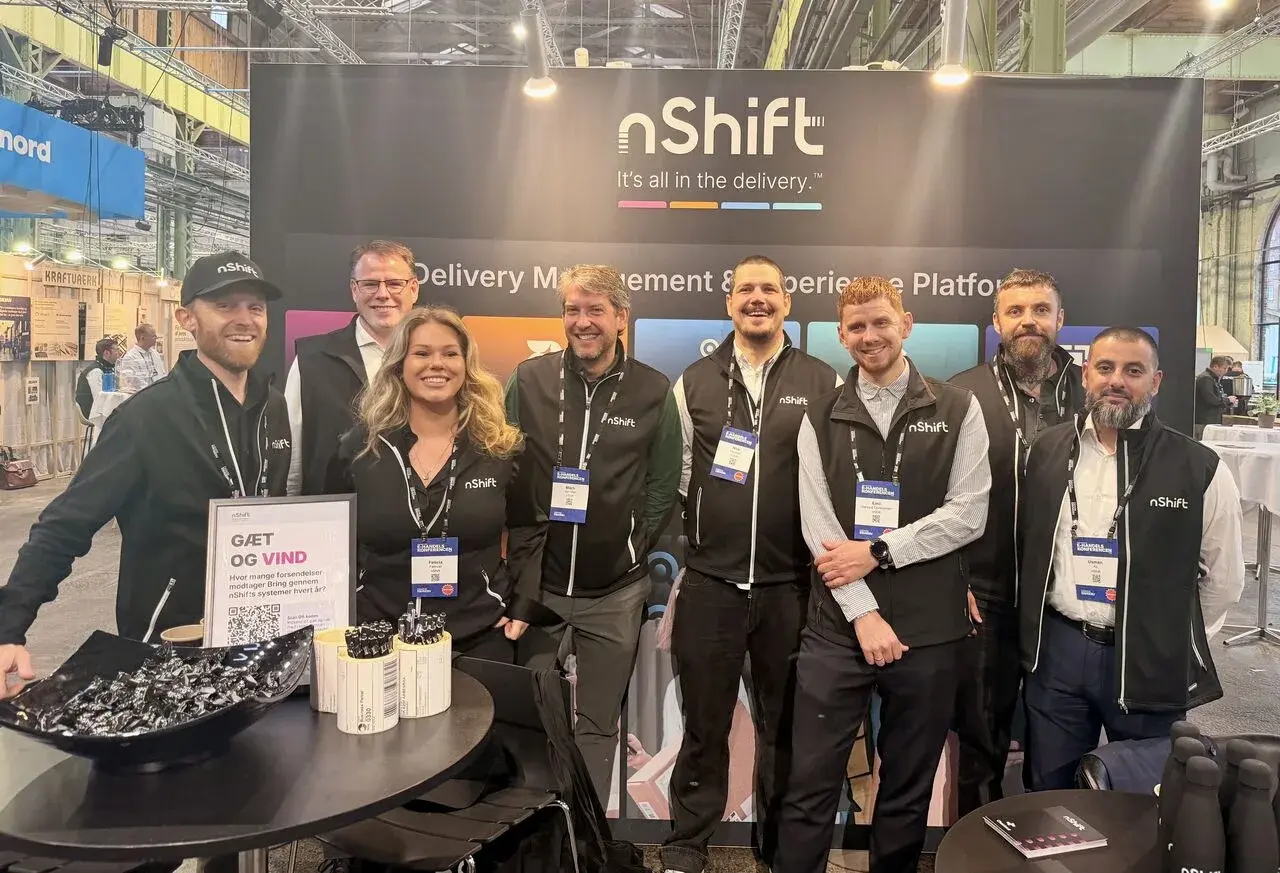
If you’re attending the E-commerce Berlin Expo, you’ll find the nShift team at the MS Direct booth K27, not simply to demonstrate tools, but to talk through real challenges in modern logistics: cross-border frictions, fulfilment-to-delivery handoffs, carrier networks, customs complexity, and the impact of these factors on business outcomes.
As ecommerce logistics continues to evolve, the question is no longer whether technology matters, it’s how well different parts of the logistics ecosystem work together.
Integration, shared visibility, and thoughtful operational design are becoming the markers of logistics resilience and scalability, and that’s where today’s leading organizations are investing their energy.

About the author