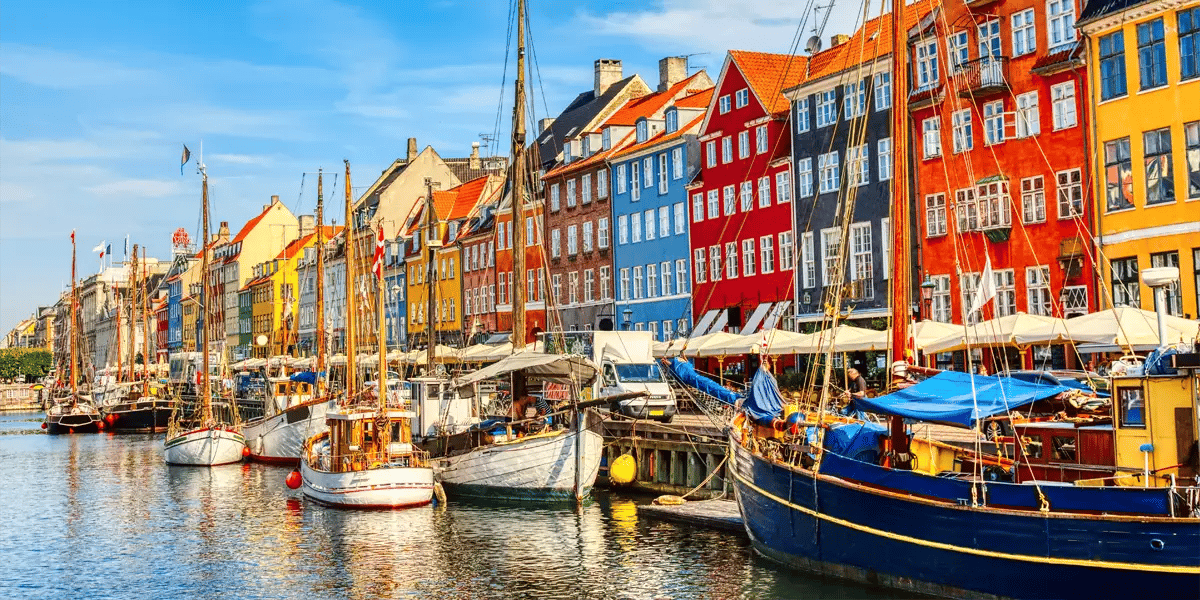
At this year’s Savant E-commerce event in Copenhagen 16-17 September, I had the pleasure of hosting a roundtable discussion with a diverse group of e-commerce and logistics professionals. Our theme “How Elite Brands Are Turning Delivery into a Loyalty Goldmine” sparked insightful conversations around the evolving role of delivery in the customer journey.
Our discussion made one thing clear: delivery is no longer just a functional step in the buying process. It’s a critical touchpoint that can make or break customer loyalty.
This blog features the key takeaways from our roundtable, including some standout best practices from leading brands.
Delivery experience: the hidden loyalty lever
When we asked participants how delivery fits into their loyalty strategy, there was clear consensus: in the Danish market, convenience and reliability outweigh even sustainability, despite what consumers say in surveys.
The key insight? “If you fail, it’s a big problem. If you succeed, it’s neutral.” In other words, great delivery won’t always win applause, but poor delivery is remembered and punished by the customer.
Top-performing brands are taking this seriously. They know that delivery is the brand’s moment of truth, and they’re building strategies around it, not just treating it as an afterthought.
Checkout: where trust begins
We explored how brands are using the checkout experience to convert sales and build trust. From estimated delivery dates to flexible options like drop points and home delivery, clarity and honesty are paramount.
A standout example is Flying Tiger Copenhagen, which has seen a 20% increase in conversions since improving delivery choice at checkout. By offering real-time visibility into PUDO point availability, customers can confidently choose the most convenient option, knowing it will be available when they need it. According to Sander van Enschot, Head of Digital Operations, these improvements have been a key driver of both higher conversion rates and a better overall customer experience. Read the case study here.
We talked about the about the dangers of overpromising, especially during campaigns. As one participant put it:
“During promotions, we struggle to meet delivery times. The most important thing is to deliver on what you promise at checkout.”
It’s simple: underpromise and overdeliver builds trust. The reverse breaks it.
Tracking: from utility to engagement
Post-purchase engagement often drops off a cliff. But smart brands are using tracking to stay connected and build loyalty even after the buy button is clicked.
Delays happen. But customers are surprisingly understanding, if they’re kept in the loop. Silence, on the other hand, destroys confidence as stated by the participants:
ICIW (ICANIWILL) is a great example of how branded, proactive delivery tracking can enhance both customer experience and operational efficiency. ICIW has eliminated unbranded emails and created a single source of truth for shipment updates, resulting in a 50% drop in delivery-related customer queries. With personalized, branded notifications, they’re now seeing a 25% click-through rate on shipping confirmations, well above the industry average. Explore the case study here.
Returns: cost center or conversion booster?
The most debated topic of the session was returns. While traditionally seen as a cost, more brands are beginning to treat returns as a loyalty and conversion driver.
Examples include:
- Hunkemöller, which has invested in smooth, digital return flows, that increase store footfall for upsell opportunities. Read more here
- Brands using return-friendly packaging so customers can easily send items back.
- Widespread adoption of QR codes and paperless returns to simplify the process.
One participant shared how their high-end product line justifies free returns, which reassures customers and supports premium positioning. Another said:
Returns can even reduce churn and increase average order value, if done right.
We also touched on an emerging concern: fraud in returns. Secure processes, fraud detection, and transparency are now essential to protect both the brand and the customer.
Final thoughts
Delivery is often the last step in the customer journey, but it’s the first step in the loyalty loop.
Elite brands are no longer treating delivery as a cost center. They’re using it to build trust, delight customers with convenience, and remove friction at every touchpoint, from checkout to tracking to returns.
The insights shared at our roundtable reinforced that delivery is marketing, delivery is brand, and delivery is loyalty.
Thanks to everyone who joined the discussion. If you’re rethinking your delivery strategy, let’s talk - at nShift, we’re helping leading brands turn delivery into a goldmine for growth.

Author
Jakob Bergmann
Customer Manager, nShift