Retail media networks used to live on search results and category pages. That is still the core. The change in 2026 is where the next growth wave is heading.
The tracking page has become prime real estate because attention is high and expectations are tight. Customers arrive with one question: what is happening with my order. Retailers are learning that this moment can drive revenue, as long as it does not weaken clarity.
If you want the full picture across the 2026 shifts, capabilities, constraints, and blueprint, explore our new report: The new retail reality: Trust, proof, and the delivery experience in the AI era.
Quick links
- What is post-purchase retail media
- Why the tracking page is the next media surface
- The first-party data advantage after purchase
- What “good” post-purchase monetisation looks like
- The hard trade-off retailers have to manage
- Measurement and attribution in post-purchase
- A practical starting point for 2026
- The takeaway
- Get the full picture
- Frequently asked questions
What is post-purchase retail media
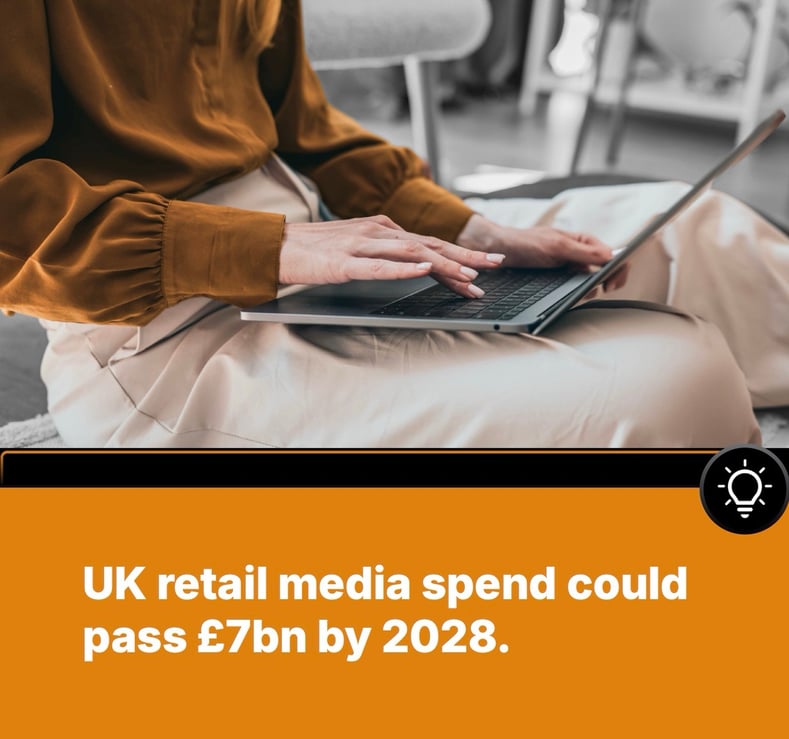
Retail media is already a serious line item in European budgets. IAB Europe’s outlook puts the market at roughly €31bn by 2028, and IAB UK forecasts retail media spend in the UK will break £7bn by 2028, including Amazon. This is why retailers are expanding retail media beyond search and category pages into post-purchase moments, where attention is high and the experience is judged quickly.
Retail media networks monetise two assets brands compete for: first-party shopping data and high-intent digital surfaces.
Post-purchase retail media applies the same logic after checkout. It uses confirmation, tracking, and returns journeys as commercial inventory. The value is not only impressions. It is relevance at the moment customers are actively paying attention.
This is where many teams get stuck. Post-purchase is both a revenue opportunity and a trust moment. It can fund growth. It can also increase support contacts if the experience becomes cluttered or confusing.
For the wider delivery experience blueprint, explore /retail-ecommerce-delivery-strategy-2026.
Why the tracking page is the next media surface
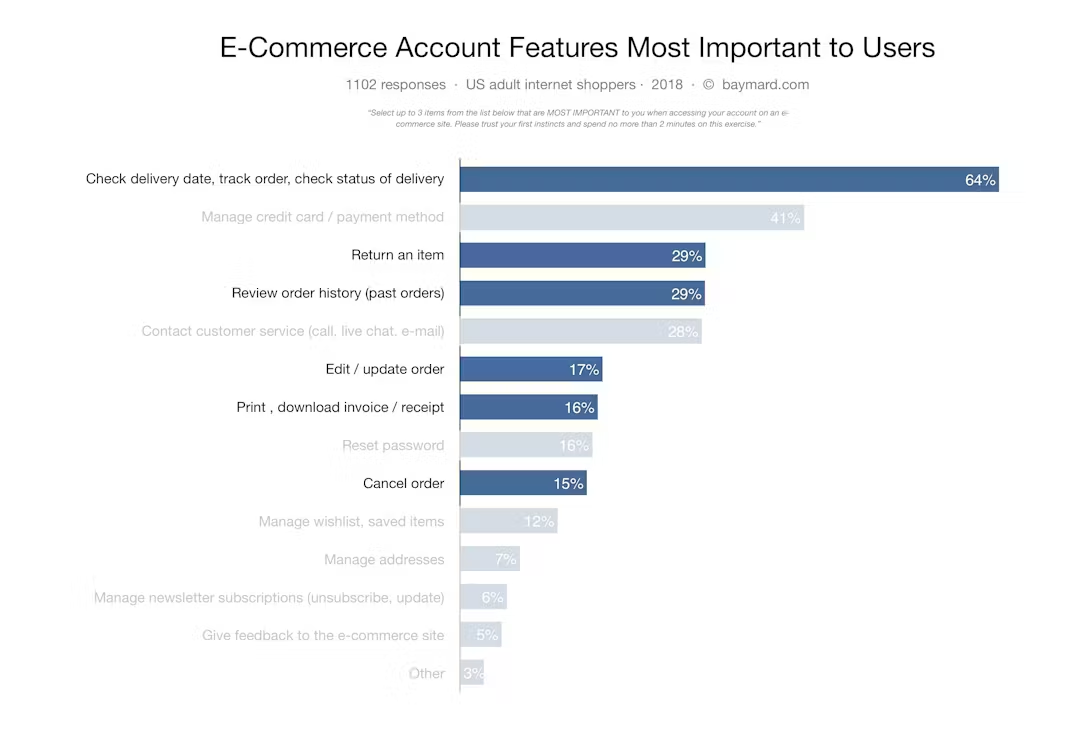
The tracking page sits in the middle of a high-intent loop. Customers come back multiple times while they wait, looking for certainty and next steps. Baymard’s research highlights how central order tracking is to self-service, which is exactly why post-purchase pages are becoming commercial inventory. The opportunity is real, but the trust cost is immediate if clarity is weakened.
Retailers are also under margin pressure. In that context, high-margin media revenue becomes more than a nice add-on. It becomes a serious profit pool.
This explains why retail media is expanding beyond classic placements. The next phase pushes into post-purchase moments, where attention is concentrated and trust is fragile.
The first-party data advantage after purchase
First-party data is valuable because it is tied to real actions, not inferred intent. Post-purchase adds another layer: operational context.
In practical terms, the delivery journey creates signals that can make offers more relevant, including:
- Delivery choice and service level preference
- Location behaviour, including home, locker, or pickup use
- Engagement patterns, such as frequent status checks or no checks at all
- Intent signals, such as address edits, delivery reschedules, or support requests
These signals are useful because they are time-bound and situational. They help retailers and partners align an offer to what the customer needs right now, while the order is in motion.
What “good” post-purchase monetisation looks like
Post-purchase retail media works best when it feels like part of service. The unit of value is not the ad slot. It is relevance without disruption.
Examples that fit the moment include:
- accessories and replenishment that match the purchased item
- opt-in delivery upgrades when constraints change
- content that helps customers get value from what they bought
- partner offers that genuinely reduce friction in the days after delivery
The point is consistency. The tracking page is where customers judge operational competence. Monetisation should support that judgement, not compete with it.
The hard trade-off retailers have to manage
Retailers want additional revenue from high-attention surfaces. Customers want clarity and reassurance.
In practice, the winners treat this as an experience design challenge with clear guardrails:
- Keep the delivery story dominant. Status and next steps stay unmistakable.
- Separate service content from sponsored content with clear labelling and layout.
- Use context and timing. Avoid pushing irrelevant offers into anxious moments.
- Measure beyond clicks. Include contact rate, complaint rate, and repeat purchase signals.
This is where many post-purchase RMN experiments go wrong. The mechanism is easy. The trust cost is underestimated.
This is also a margin story. McKinsey’s State of Grocery Retail Europe 2025 reports average EBIT for European grocers has dropped to 2.8%, which means about €2.80 of operating profit for every €100 in sales. In that context, high-margin media revenue becomes a serious profit pool. The challenge is making it additive, without increasing post-purchase friction and support contacts.
Measurement and attribution will decide who scales
Retail media is moving toward orchestration across on-site, off-site, and in-store. Post-purchase becomes another inventory layer inside that plan.
That expansion raises a practical question: how do you measure performance consistently across surfaces.
If measurement is inconsistent, buyers hesitate. If metrics are comparable, budget follows. Post-purchase inventory will not scale on novelty. It will scale when it can be planned, measured, and optimised like the rest of a retail media network.
A practical starting point for 2026
You do not need to redesign your tracking experience to get started. A small pilot can prove what works while protecting trust.
A simple approach looks like this:
- Choose one surface first, usually confirmation or tracking
- Define a small set of use cases that are genuinely contextual
- Put guardrails in place before launch, including labelling and frequency limits
- Measure revenue alongside trust signals, including contacts and repeat purchase
If you want the broader capability map for how post-purchase monetisation fits into delivery experience, explore /retail-ecommerce-delivery-strategy-2026.
The takeaway
The tracking page is moving from utility to competitive surface. Retail media networks are following attention into post-purchase because first-party data is strong and intent is concentrated.
The opportunity is real. The risk is also real. The retailers who win treat post-purchase as a trust moment first, and a media surface second.
Get the full picture
 This article is part of our research on “The new retail reality: Trust, proof, and the delivery experience in the AI era”, which covers what’s changing in retail delivery, the shifts in customer expectations, and what to do to make your delivery strategy hold up at scale.
For the complete picture, download the full report: The new retail reality 2026.