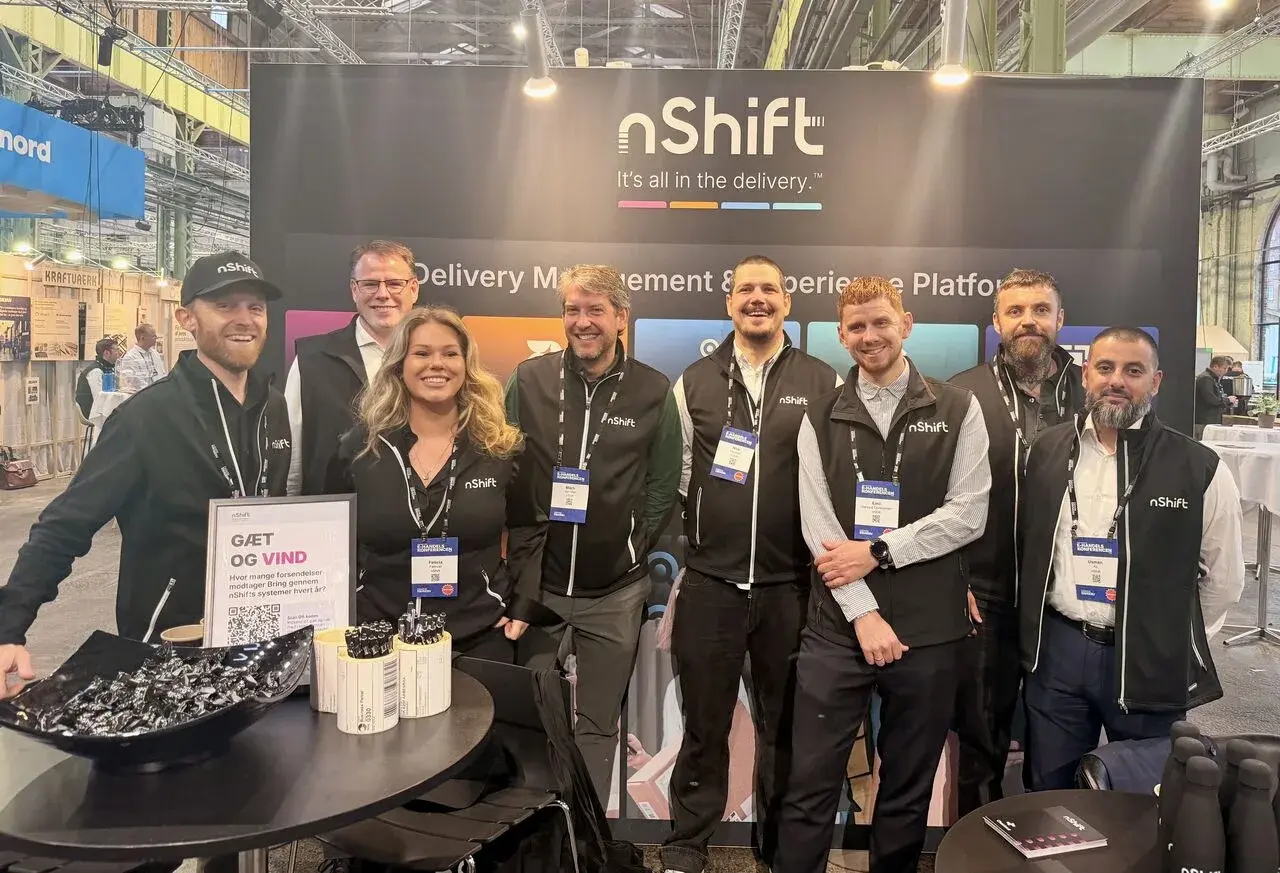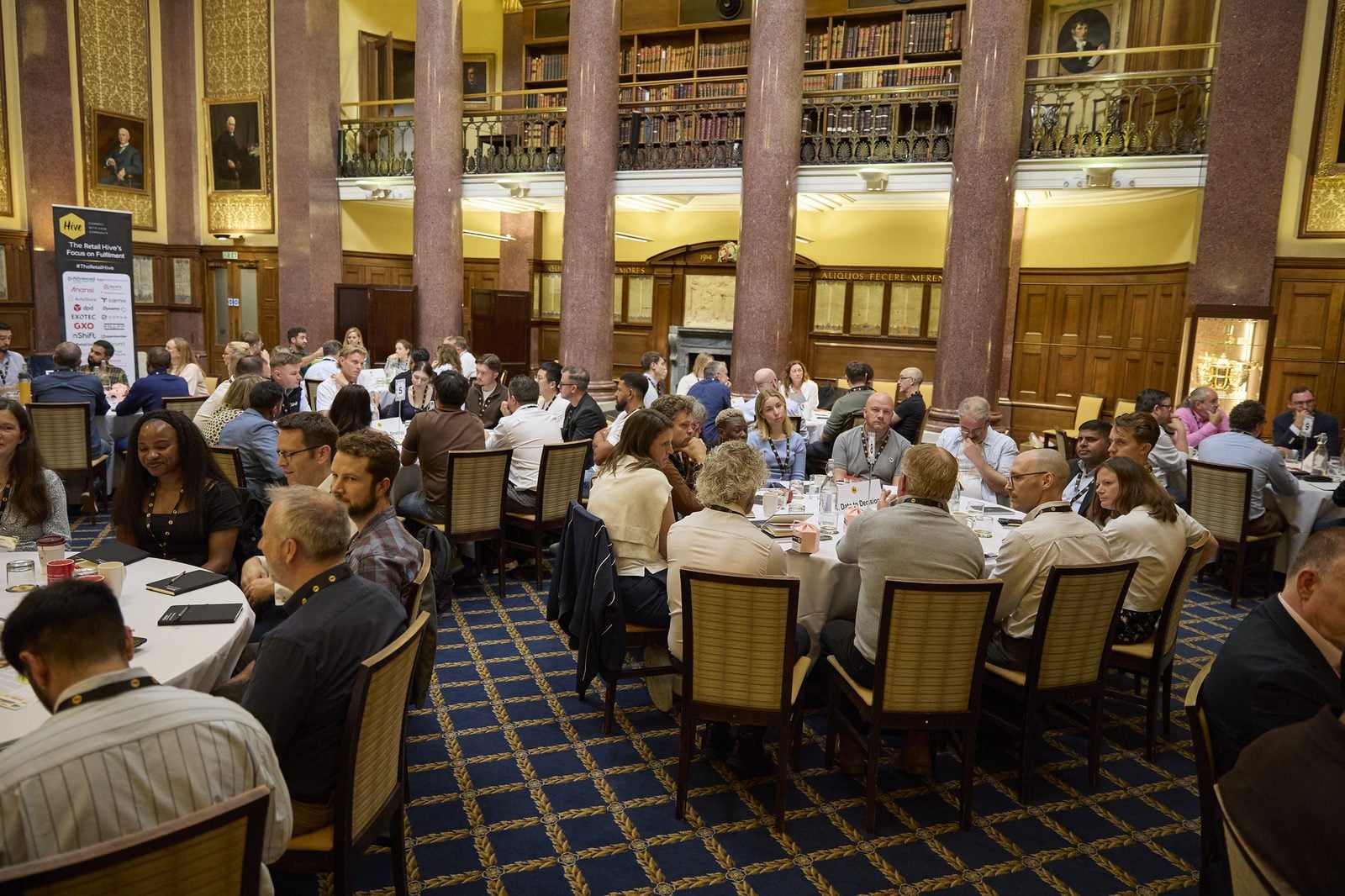
At eTail Nordic 2025 in Malmö, nShift brought ecommerce leaders together to tackle a question many teams are asking under pressure: where does automation actually deliver ROI – fast?
The roundtable was led by Lars Karlsson, Customer Manager at nShift, and focused on cutting through theory to share real experiences across checkout, fulfilment, delivery and returns. The goal: help participants leave knowing where to start or what to optimise next.
Why this conversation matters now
Customer expectations around fast, flexible and accurate delivery are rising. Competition is fierce. Peak season pressure never really goes away. At the same time, ecommerce operations are becoming more complex – especially across multiple markets.
From checkout through fulfilment, delivery and returns, there are countless automation touchpoints. The challenge isn’t whether to automate, but where automation creates real, measurable value first.
Friction points in fulfilment and delivery today
Two pain points stood out immediately from the roundtable:
- Delivery tracking breakdowns: If carriers hand shipments over to last-mile partners, tracking links may change. Customers get confused, if the change is not handled well. Customer service teams pay the price.
- Scaling into new markets: Selecting and managing the right carrier mix across regions remains manual, time-consuming and risky.
In both cases, lack of visibility and fragmented systems were at the root of the problem.
Where automation is paying off fastest
When participants shared what’s worked, fulfilment and returns led the way.
One retailer reported that introducing an automated returns solution reduced returns by 3–4% in the first quarter – cutting costs while improving customer clarity.
Lars also highlighted Harvey Nichols as a clear example of fast, measurable ROI. The premium fashion retailer achieved a full return on investment in under six months. By automating carrier allocation through a multi-carrier shipping platform, Harvey Nichols reduced delivery costs, accelerated fulfilment, and gave customers a more flexible and convenient delivery experience.
Checkout: fix it early, feel it everywhere
Checkout automation may seem incremental, but its impact is anything but. Smarter delivery option presentation, address validation and clearer promises reduce basket abandonment and increase conversions.
Examples such as Flying Tiger Copenhagen show how expanding PUDO delivery choices at checkout directly supports higher conversion and smoother fulfilment.
Returns: no longer just a cost centre
Returns featured heavily in the discussion. When handled well, returns automation doesn’t just reduce handling time – it increases exchanges, protects loyalty and drives repeat purchases. As cases like Hunkemöller demonstrate, a smooth returns experience is now part of the customer promise and contributes to increased store footfall.
If you automate one thing next…
Asked where they would focus next, many participants pointed to system integration, particularly between ERP and ecommerce platforms as well as delivery management systems. Too many systems and too much disconnected data make it hard to analyse performance, scale efficiently or react when things go wrong. System integration is simply essential for automation.
Final takeaway
The roundtable closed on a simple truth: start where friction is highest and ROI is easiest to measure. For many, that means fulfilment, delivery and returns, but long-term success comes from building operations and integrating systems that can adapt, scale and withstand disruption.
If you’re thinking about how to scale without adding risk, nShift has captured these principles in a practical guide: Scale your ecommerce operation without limits. It explores how to build resilient, multi-carrier delivery operations that adapt, automate and grow, even when a single carrier outage could otherwise bring everything to a halt.

Download the guide to learn how a resilient delivery architecture keeps orders moving, customers converting and promises intact.

Author
Thomas Bailey
Product Innovation Lead, nShift
Thomas plays a key role in shaping how new features and platform improvements deliver real value to customers. With a background spanning product, tech, and go-to-market strategy, he brings a pragmatic view of what innovation looks like in practice and how to make delivery experiences work harder for your business.