2026 Delivery trends report
The future of delivery: Key trends shaping 2026
Ten delivery trends that decide who wins customers and margin in 2026
Delivery is no longer back-end plumbing. It is where brands keep or break their promises, where logistics costs become real, and where shoppers quietly decide whether to buy again.
This research report maps ten interconnected trends that are reshaping delivery across the EU and the UK, from AI and platforms to regulation, resilience, and retail demand.
What's inside
The report is structured around ten trends grouped into five themes.
Inside each chapter we've combined a market overview, what it means for 2026, and outlook plus recommendations for key stakeholders.
#1: AI and autonomous decision-making
- Where AI is delivering measurable ROI in European logistics today
- How to avoid fragmented experiments and build a scalable AI backbone
#2: Predictive analytics, control towers, and end-to-end digital twins
- How control towers and digital twins actually work in practice
- Why data standards and event quality matter more than algorithms
#3: Platformization and API ecosystems
- How platformization changes carrier onboarding, compliance, and visibility
- What “good” looks like in a logistics API strategy

2026 delivery & logistics outlook: expert insights shorts series
Watch our expert video series on the future of delivery in 2026. In this gallery, industry leaders and specialists break down the key shifts that will define delivery performance by 2026.

Our CEO explains why delivery is now a true differentiator for every shipper, carrier, and tech partner, shaped by AI and rising customer expectations.

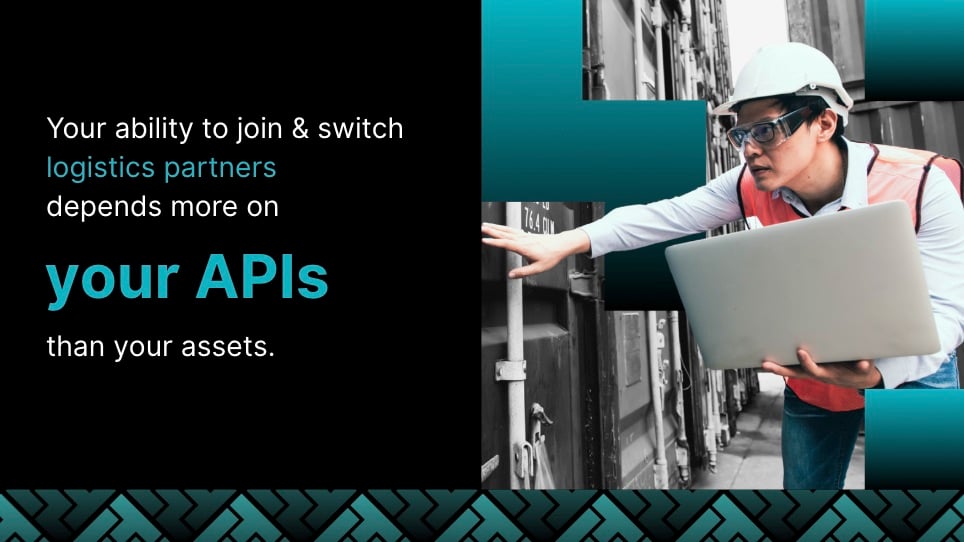
Real-time visibility isn't possible on legacy systems, APIs are the prerequisite for AI-driven efficiency in 2026.

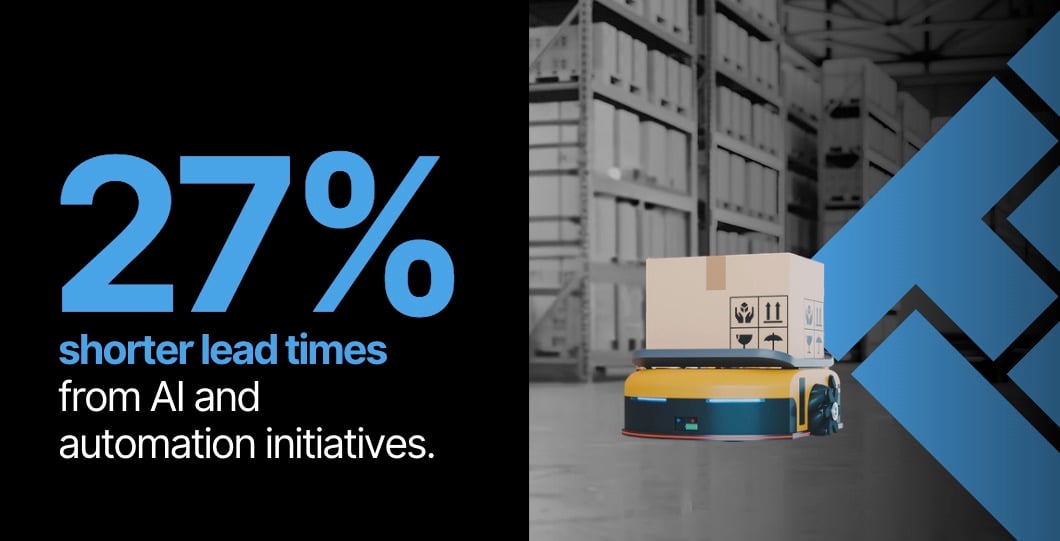
Learn how AI is moving from a buzzword to a core operational engine, cutting order lead times by 27%.

See how using digital twins can simulate peak season challenges before they happen, reducing potential delays by up to 80%.

Discover how a single-API approach allows businesses to connect with 1,000+ carriers instantly, removing the burden of manual IT integrations.
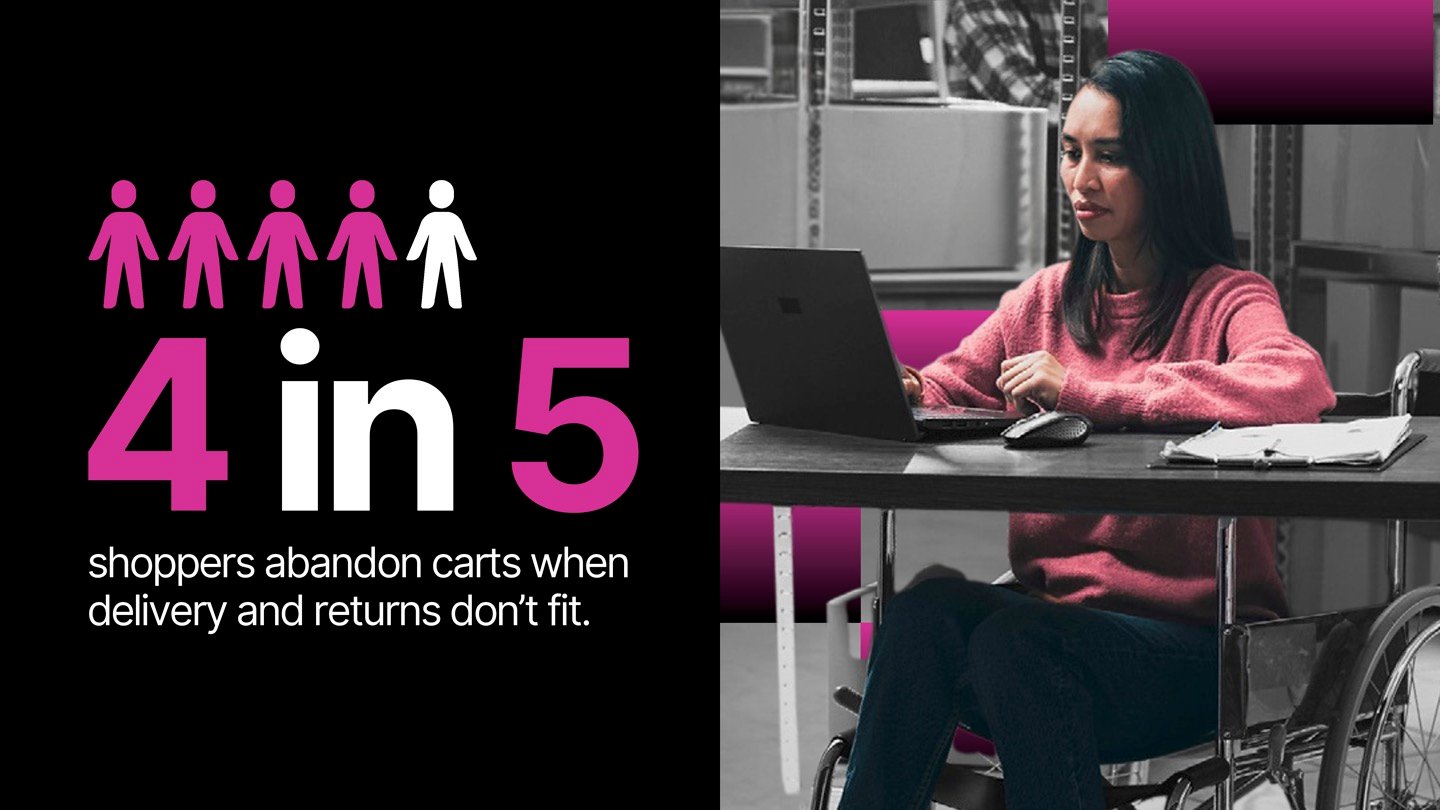
Shipping is now a front-end conversion tool. Let's explore why giving customers more delivery options is essential for maintaining loyalty and reducing cart abandonment.
Explore the 10 trends
Trend #1
AI and autonomous decision-making
From pilots to “boringly valuable” AI in logistics
AI in logistics is moving from hype to targeted deployments that deliver measurable gains.
Early autonomous supply chain initiatives have already achieved around 27% shorter order lead times and 25% higher labor productivity for adopters, even though overall maturity remains low. The winners in 2026 will focus on a small set of scaled use cases, clean data, and human-in-the-loop designs instead of spectacular but fragile experiments.
Trend #2
Predictive analytics, control towers, and digital twins
From hindsight reporting to “know before it breaks”
Forecasting, control towers, and end-to-end digital twins are shifting logistics away from monthly hindsight toward continuous sensing and response.
Early adopters of digital twins report 20 to 30% better forecast accuracy and up to 80% reductions in delays and downtime when they simulate network decisions before execution. In European multi-node, cross-border networks, this becomes a core capability rather than a nice-to-have.

Trend #3
Platformization & API ecosystems
APIs are the new infrastructure
Custom point-to-point integrations are giving way to shared platforms and standardized APIs. Regulation such as eFTI and industry standards like DCSA’s API models and electronic bills of lading push freight data into structured, machine-readable formats.
In 2026, the most attractive partners are those that are easy to plug into, from carrier connectivity to documentation and tracking.
Trend #4
Delivery choice & customer-centric fulfillment
Delivery and returns as part of the product
Studies show more than 8 in 10 shoppers abandon carts when their preferred delivery or returns options are missing.
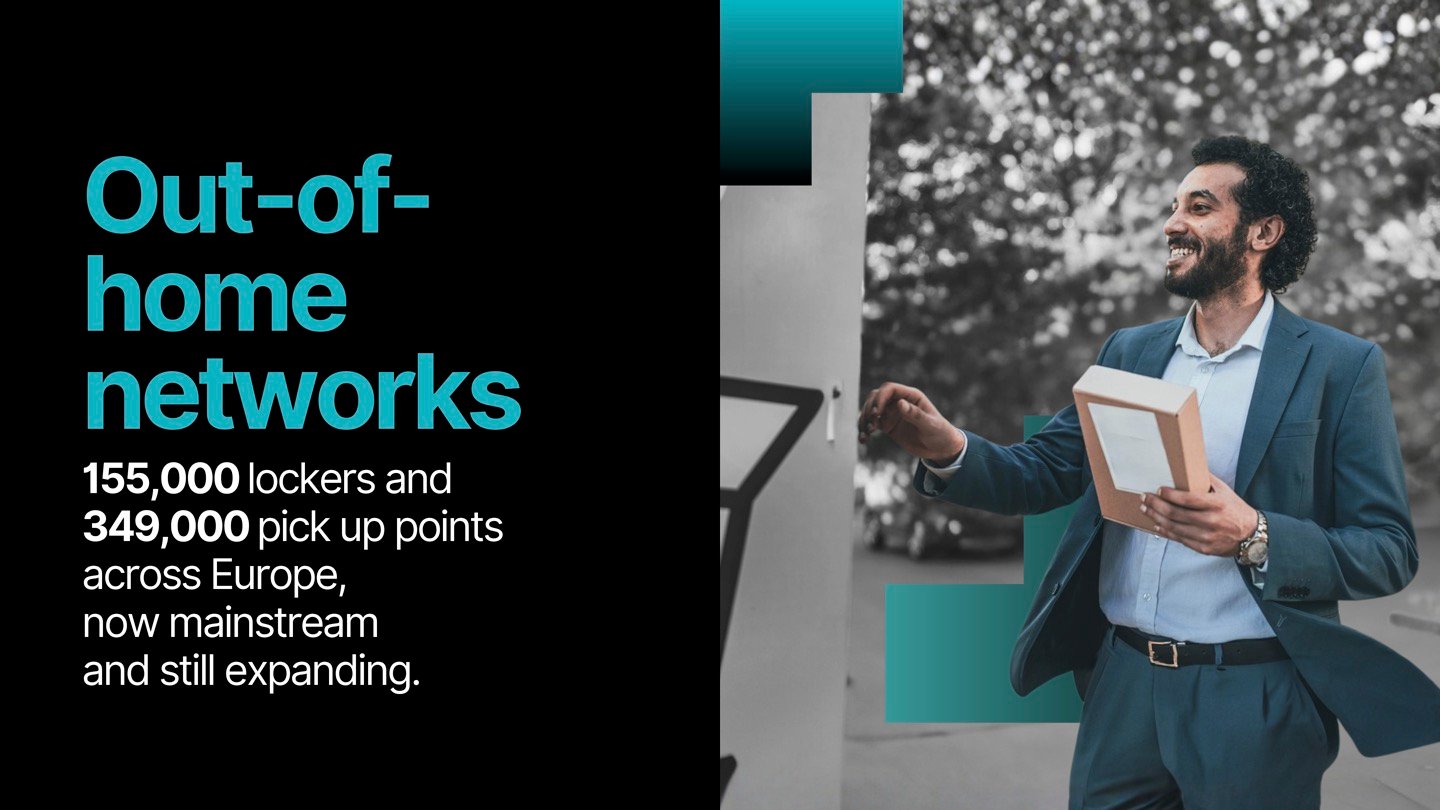
At the same time, out-of-home networks such as lockers and PUDO locations now number in the hundreds of thousands across Europe, giving retailers new ways to balance convenience, cost, and sustainability.
Trend #5
Last-mile innovation & urban logistics
Turning the most expensive mile into an advantage
The last mile still represents roughly 60 to 70% of parcel delivery cost, and cities are tightening access, emissions, and curb-space rules.
In 2026, real innovation looks less like drones and more like dense out-of-home networks, cargo bikes, compact EVs, microhubs, and routing that reduces failed attempts in complex urban environments.
Trend #6
Supply chain resilience and targeted nearshoring
“In Europe for Europe” as a design principle
Resilience now sits alongside cost and service in supply chain design.
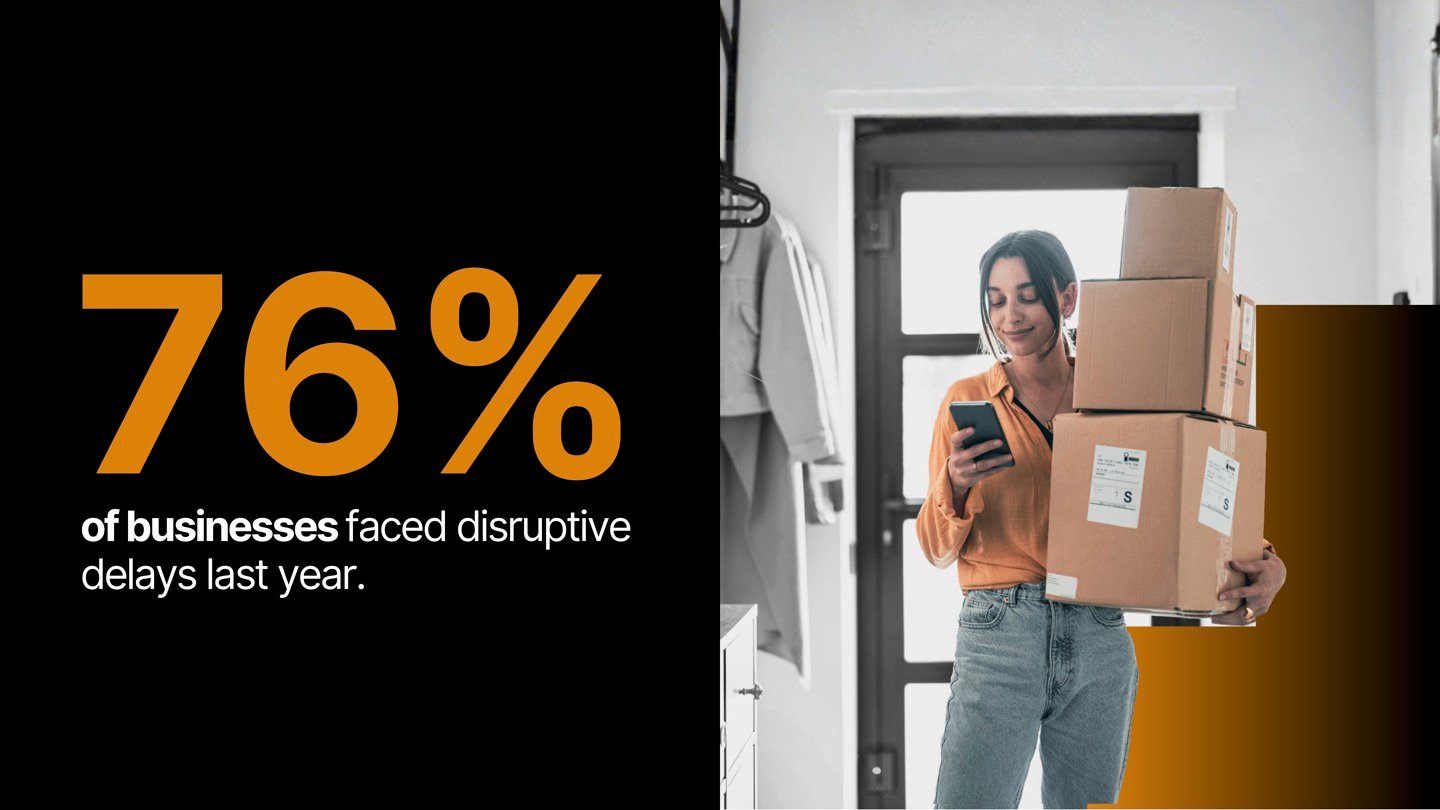
Surveys show over 75% of European businesses experienced disruptive delays, and more than half are considering new sourcing locations, often “in Europe for Europe.” That translates into new flows into and within the region, regional hubs, and more complex routing that delivery systems must support.
Trend #7
Electrification and green fleet transition
Climate policy translated into fleet decisions
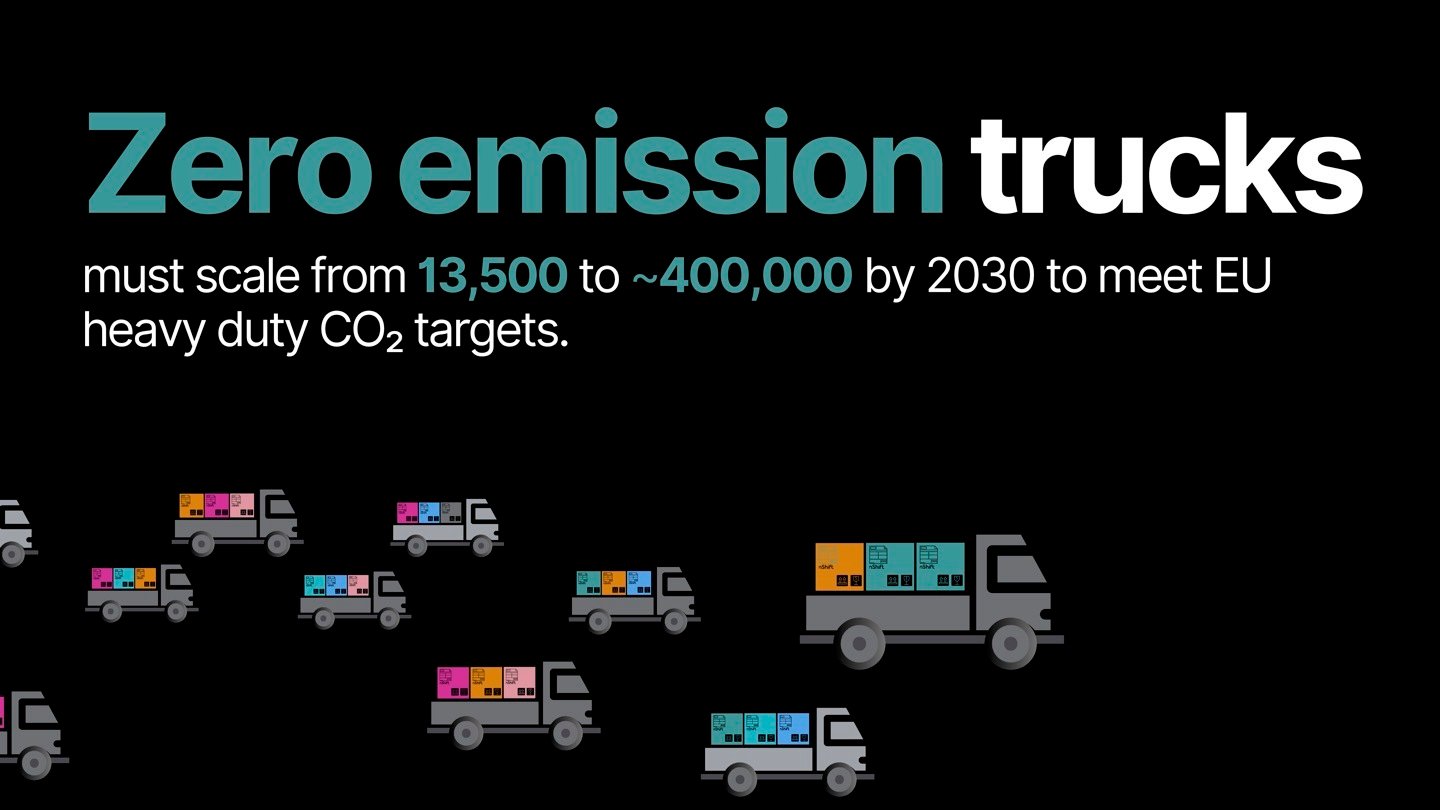
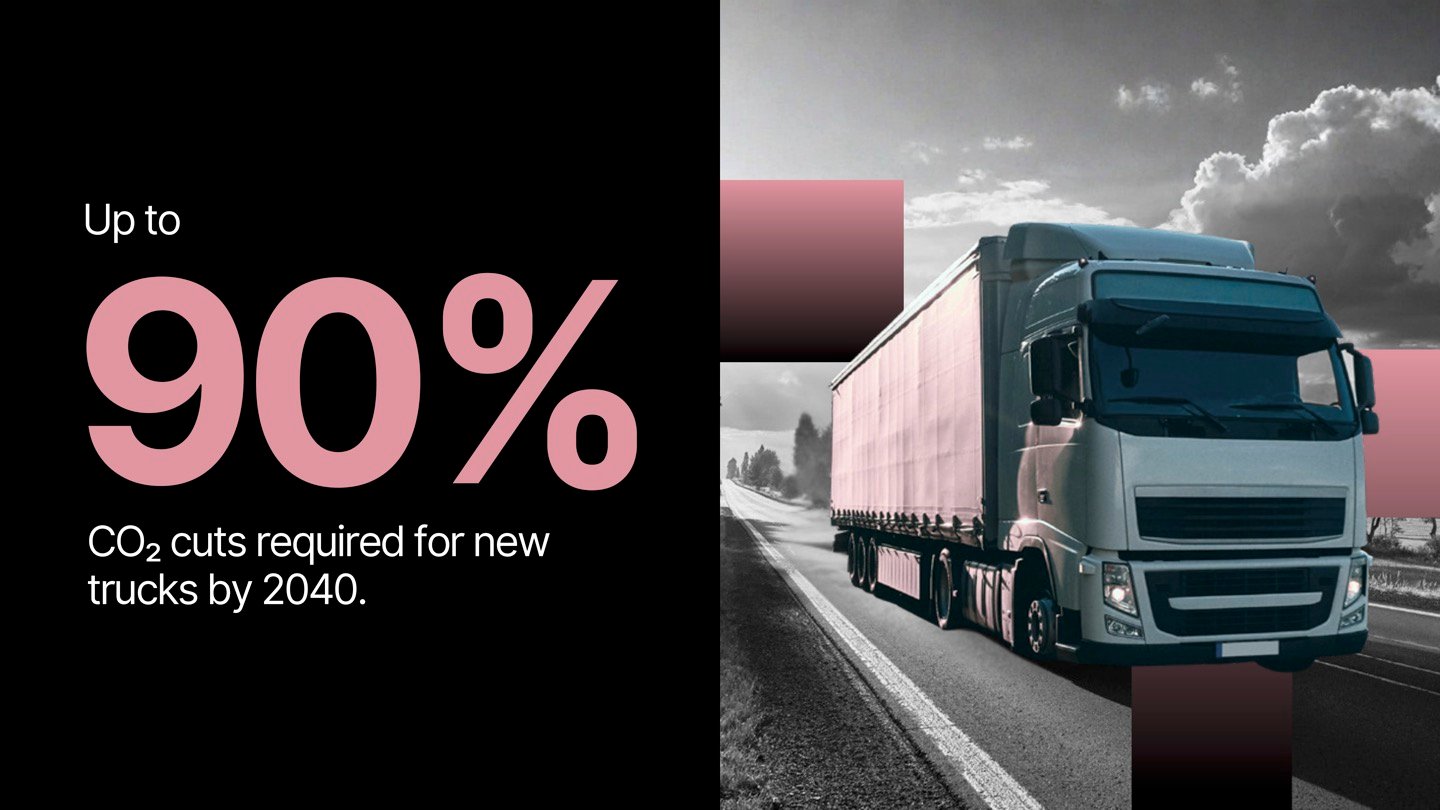
Decarbonization of road freight is now driven by law. Revised EU CO₂ standards require new truck emissions to fall by 15% by 2025 and 45% by 2030, with analysis suggesting the European zero-emission truck fleet must grow from around 13,500 vehicles to roughly 400,000 by 2030.
In practice, this means zero-emission vans and trucks, city access rules, and shipment-level emissions data become central to fleet and carrier decisions.
Trend #8
Warehouse robotics and operational twins
From pilot projects to peak-management engines
Robotics and simulation are moving from pilots into the core of peak management in larger networks.
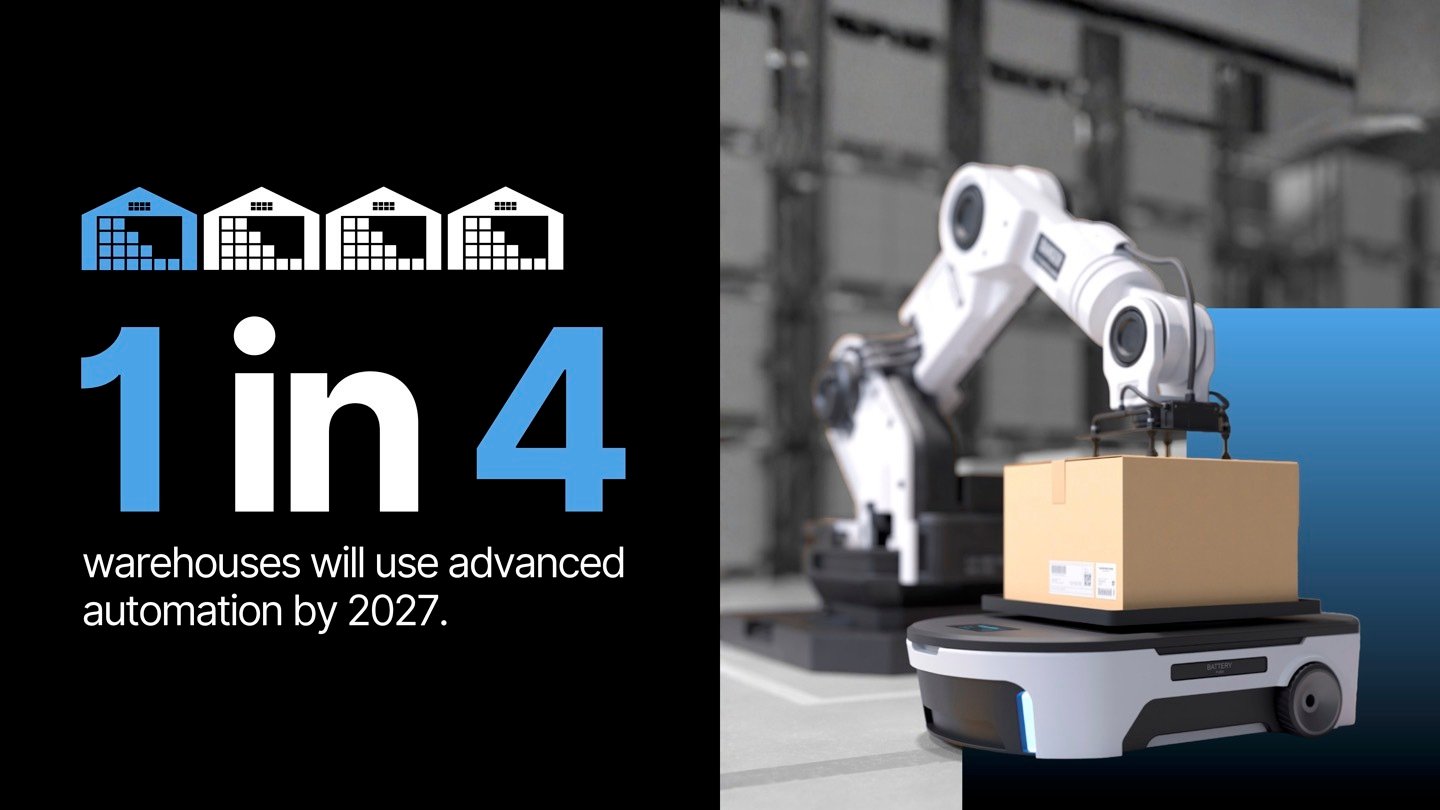
Analysts project that over 25% of warehouses will be automated beyond basic conveyors by 2027, and leading operators already report two to three times productivity gains in robot-enabled picking. Digital twins help design and tune these environments before committing capital.
Trend #9
Regulatory backbone and data
The quiet architect of European logistics
Regulation has become the invisible architecture of logistics. Fit for 55, heavy-duty CO₂ standards, ETS2, eFTI, and expanding low- and zero-emission zones all push delivery toward digital, low-carbon operations.
For shippers and platforms, the ability to produce granular, auditable data on shipments, emissions, and documents is now a condition for winning tenders and staying compliant.
Trend #10
Evolution of retail and customer demand
AI-mediated shopping meets cross-border expectations
All nine previous trends exist to serve one reality: how people discover, buy, pay, and receive orders is changing.
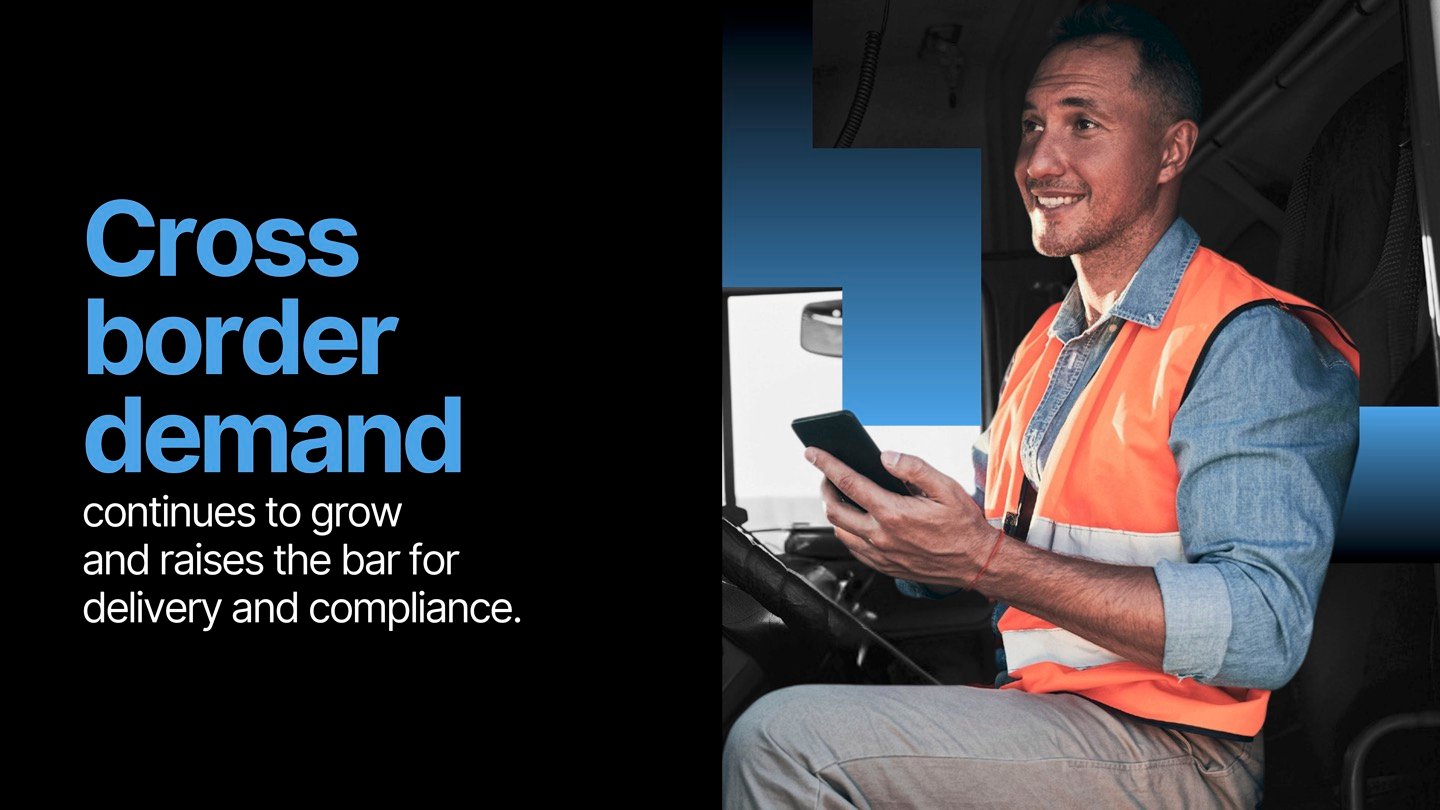
AI-mediated shopping, retail media, omnichannel journeys, and cross-border demand reshape where and how customers decide to purchase. Delivery options, promises, and notifications are increasingly visible parts of that decision, not afterthoughts.