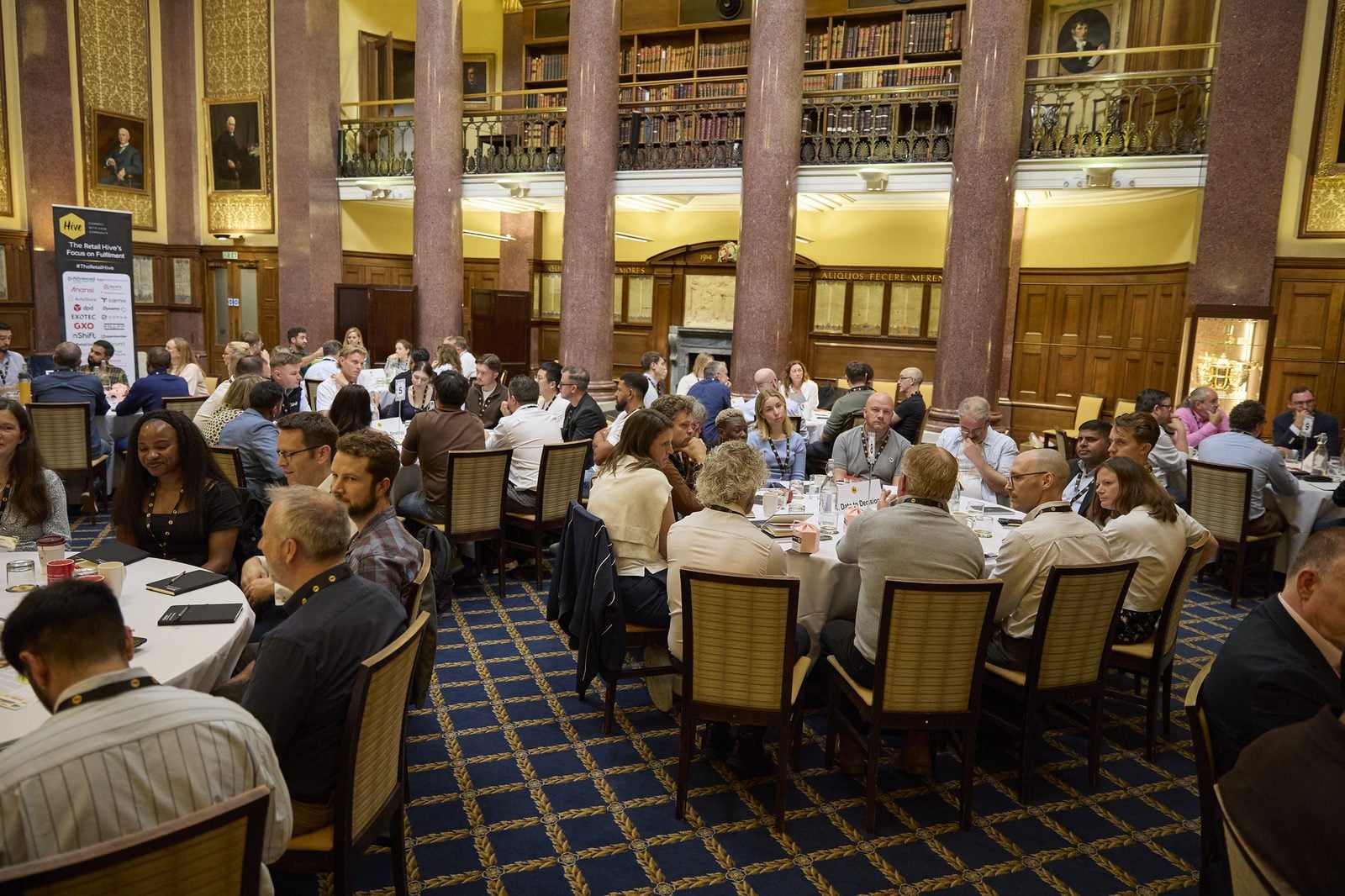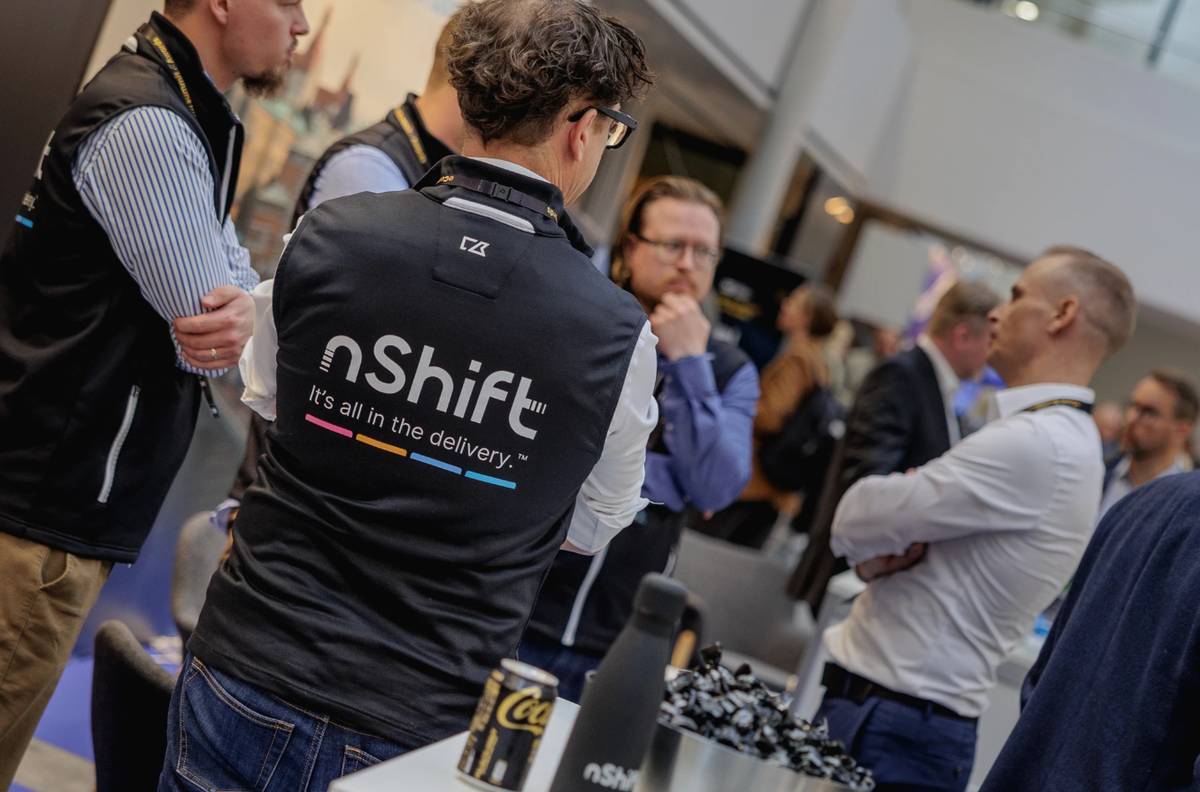
The ecommerce industry gathered in Helsinki last week for Digital Commerce Finland's eCom Summit & Awards 2026, and one topic followed people from stage presentations to hallway conversations to the evening gala:
AI is everywhere, but many retailers are still trying to figure out where it genuinely helps the customer.
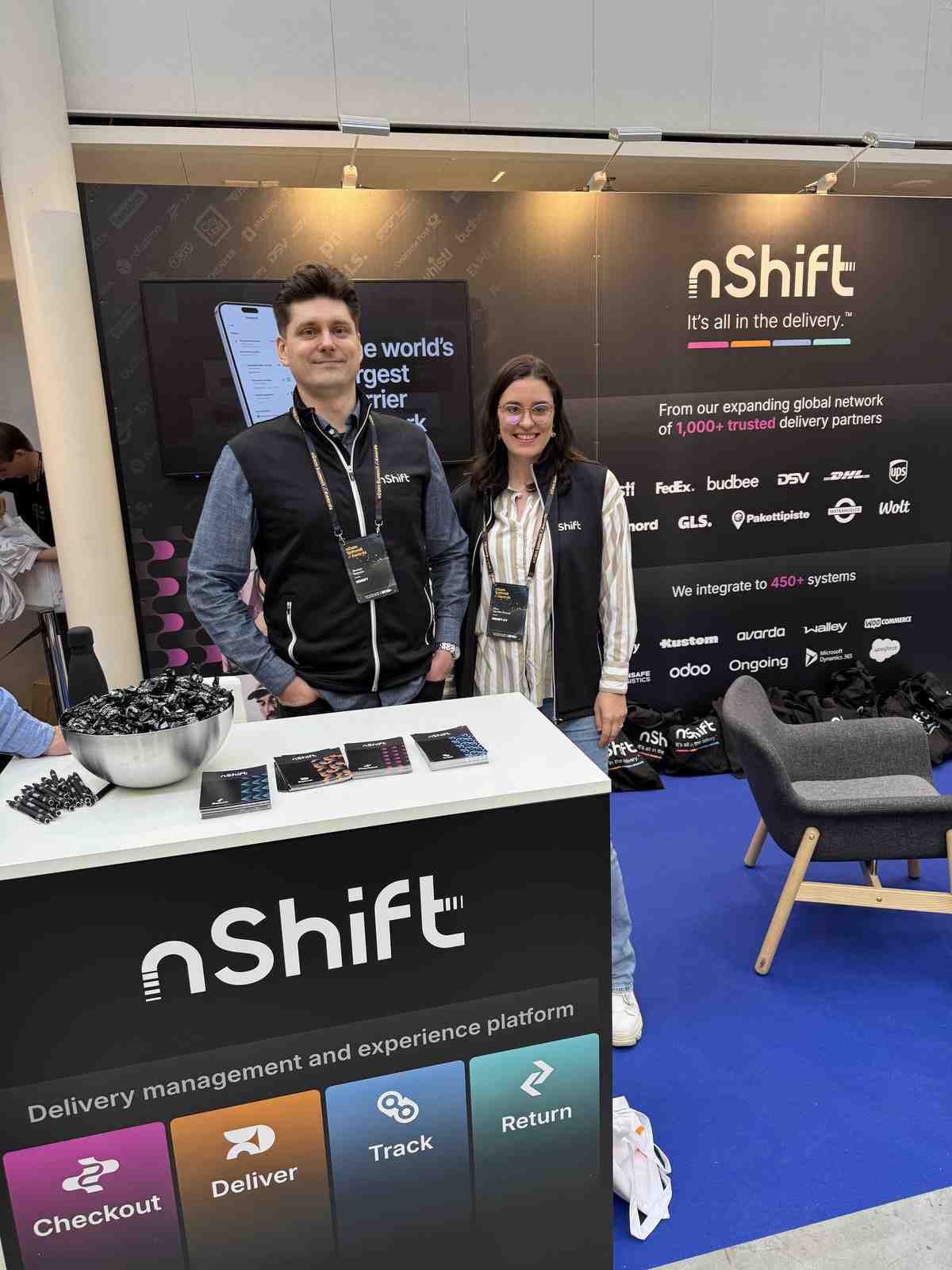
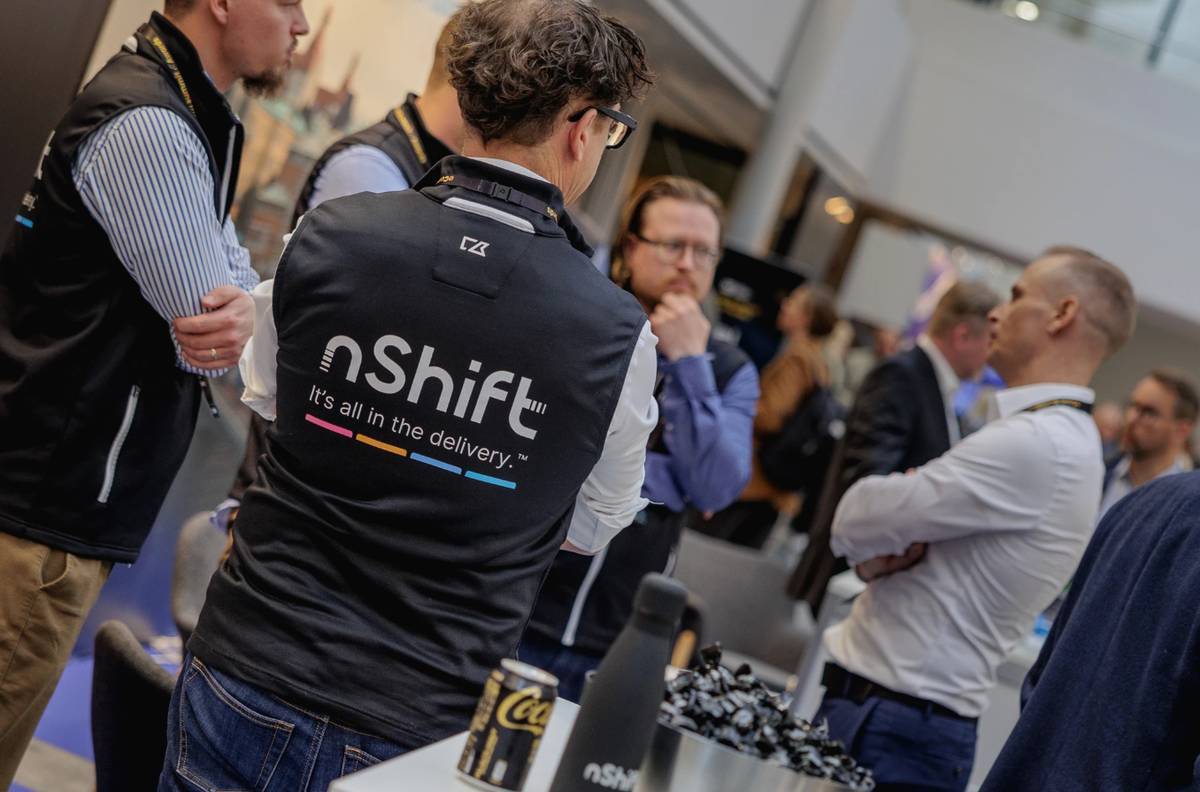
At the nShift stand, the strongest conversations were rarely about replacing people. They were about scaling operations without damaging customer trust.
That difference came up repeatedly throughout the day.
Customer service still defines the experience
One of the most talked-about moments from the awards evening came during the Customer Service Award acceptance speech.
The winner closed with a simple message: "I'm here tomorrow if you need help."
The audience reaction said a lot. After a full day of AI discussions, chatbots and automation demos, people responded most strongly to the promise of real human support.
Retailers are clearly investing in AI across support, checkout and post-purchase operations. But many ecommerce teams are also seeing the limits of automation in customer-facing moments that involve stress, urgency or uncertainty.
Late parcels, failed delivery attempts and return issues still create situations where customers want reassurance from another person, not another workflow. Proactive tracking updates can reduce the volume of those stressful moments, but the ones that still reach a support team need a human touch.
Several conversations at the event reflected the same balancing act: teams want automation that reduces repetitive work, but they do not want customer communication to become detached or unaccountable.
AI is becoming part of the operating model
Even with the growing AI fatigue, nobody at the event questioned where ecommerce is heading.
AI is already shaping delivery promises, checkout ranking, carrier selection, tracking updates and returns routing behind the scenes. The discussion has moved well beyond chatbots.
That operational shift also explains why AI governance came up more often this year.
Retailers are starting to prepare for requirements linked to the EU AI Act, particularly around transparency and explainability in customer-facing decisions. If a delivery promise, refund flow or customer interaction is influenced by AI, businesses increasingly need to understand how that decision was made and how to explain it clearly.
Another topic gaining attention was agentic commerce, where AI shopping assistants make purchasing decisions on behalf of consumers. That creates a new operational requirement for retailers: delivery infrastructure needs to be structured in a way machines can evaluate.
A vague shipping promise or fragmented tracking setup becomes harder to compete with when AI agents compare merchants programmatically. Structured delivery data, accurate ETAs and transparent return policies become competitive signals, read by algorithms before a human shopper ever sees the storefront.
Finnish ecommerce is ready to scale internationally
Another clear theme throughout the summit was growth beyond Finland.
Many speakers highlighted how strong the Finnish ecommerce ecosystem has become. The market is digitally mature, technically capable and highly connected. But several attendees also acknowledged the same challenge: the domestic market alone is too small for long-term ecommerce growth.
The message from organisers and speakers was consistent: Finnish companies should think internationally earlier.
That does not mean abandoning localization - quite the opposite. Brands still need local language, local payment preferences and delivery options customers trust. But ecommerce businesses can now build global operations much earlier than before, especially when their checkout experience can adapt delivery options to each market automatically.
The operational challenge is making delivery work consistently across markets.
Delivery flexibility becomes a growth requirement
Carrier conversations during the event highlighted how quickly delivery complexity increases once retailers expand internationally. Even within Finland, large carriers do not always provide equal coverage across rural and urban areas. Retailers relying on a single carrier already encounter limitations domestically.
International growth multiplies those operational pressures.
Different markets create different delivery expectations, service-level requirements and carrier strengths. Checkout promises also become harder to maintain consistently if retailers depend too heavily on one network. A multi-carrier setup connected through a single delivery management platform lets retailers match carrier strengths to each market without building separate integrations.
Several discussions at the nShift stand focused on how multi-carrier setups help retailers balance delivery coverage, customer choice and operational resilience as volumes grow.
In our upcoming webinar on June 10, you can explore how to manage a multi-carrier setup to support resilience and flexibility. Read more and sign up here.
For many ecommerce teams, carrier flexibility is no longer treated as back-end logistics optimisation. It directly affects customer experience and conversion at checkout.
Lyko delivered one of the day's standout sessions
One of the most memorable presentations came from Lyko CEO, Rickard Lyko. Instead of presenting a polished growth framework, he spoke openly about timing, risk-taking and the unpredictable parts of building a successful ecommerce company.
One line especially stayed with people afterwards:
"You have to be a little insane to be an entrepreneur."
The honesty resonated, reflecting what many scaling ecommerce businesses experience in reality: growth rarely follows a clean plan.
Lyko's journey from family business to processing more than 100,000 orders per day also showed how important operational scalability becomes as brands expand internationally.
More than a conference
What stood out most throughout the day was how open the conversations felt, and how strong and passionate the Finnish ecommerce community is.
People shared operational challenges openly. They discussed growth pressures honestly. And despite all the AI discussion, most conversations eventually returned to the same thing: how to build ecommerce experiences customers actually trust.
That may ultimately have been the clearest takeaway from Helsinki: AI will continue reshaping ecommerce operations quickly. But retailers still need reliable delivery, accountable customer service and scalable infrastructure underneath the technology.
Those fundamentals were not ignored at eCom Summit & Awards 2026. If anything, they became more visible.