The customer delivery experience is everything a shopper meets after they decide to buy: the options at checkout, the price of each, and how the order reaches them. One option tends to serve both sides of the ledger at once, and most checkouts never engineer for it. Click and collect is usually the cheapest option for you to fulfil and the fastest for a customer who wants the goods today.
The margin lever and the loyalty lever point at the same place, and the loyalty side is no small thing: 85% of shoppers say a bad delivery experience would put them off buying from a retailer again (Ipsos). The work is making customers choose the option that serves both.
Where margin and preference point the same way
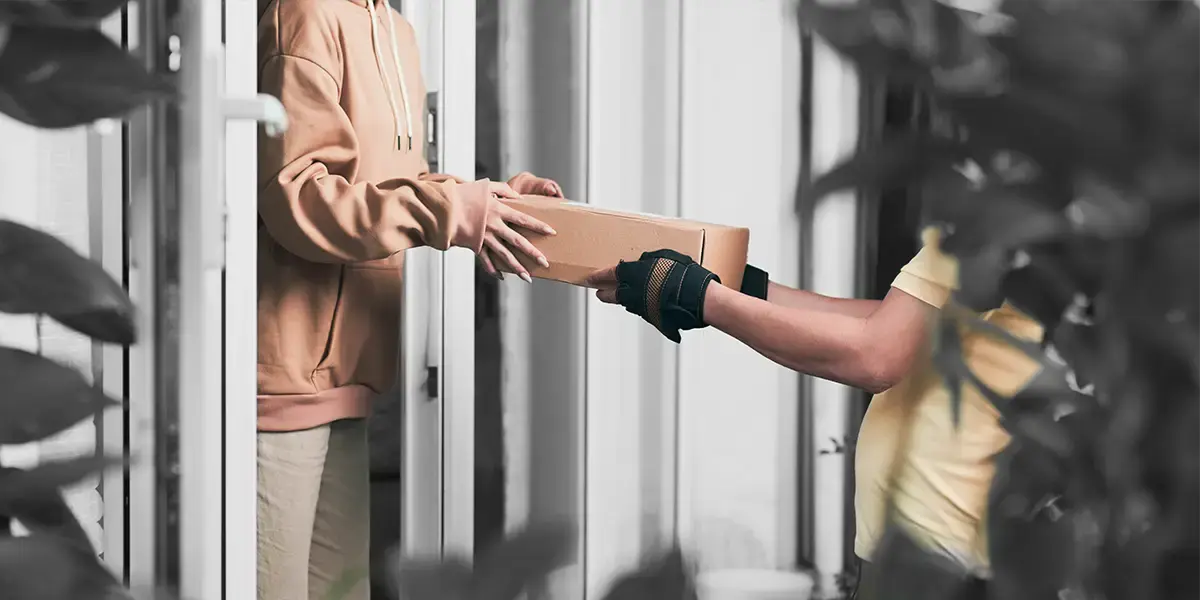
Home delivery carries a cost on every parcel: the carrier rate, the failed-delivery risk, the redelivery when no one is in. Click and collect changes the shape of that cost. Orders consolidate into a single drop at a store or a pickup point, so the cost per order falls, and the failed-delivery problem largely disappears because the parcel waits for the customer instead of the other way around.
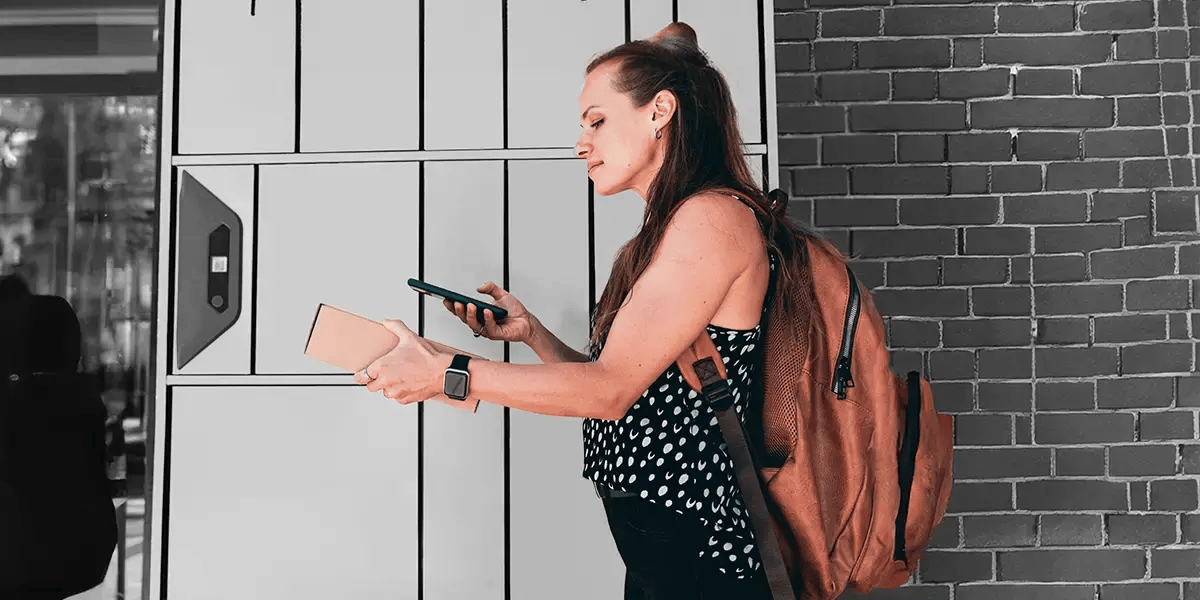
For the shopper, a nearby point is often quicker than a delivery window. They collect on their own schedule, on the way home or during a lunch break, with no day spent waiting in. Cheaper to serve and faster to receive is a rare combination, and it is sitting in plain sight at checkout.
Princess put real numbers on it. When the retailer introduced a book-online, pick-up-instore option, online sales rose by almost 100% the same day, and sales in the physical stores rose too. The pickup option did not cannibalize the stores. It fed them, because a customer collecting an order is a customer back on the shop floor.
The pull is real and growing. More shoppers now reach for an out-of-home option when one is offered, a shift our guide to PUDO lays out in full, and the pickup networks behind it, parcel lockers especially, are expanding fast across Europe.
There is a softer return as well. A delivery that arrives without friction, on the customer's own schedule, is the kind of experience that brings people back. The cheapest option to fulfil doubling as the one customers remember fondly is the sort of alignment that rarely survives contact with a checkout, and click and collect is one of the few places it does.
+100%
Same-day jump in online sales after adding pick-up-in-store
Princess
240%
Peak demand handled with delivery on track
Imerco
How to make customers choose it
Availability is not adoption. A pickup option buried at the bottom of a list does almost nothing. Presenting it well is the work, and it is configuration, not code.
With nShift Checkout, you can badge click and collect as recommended so it carries a visual cue the eye lands on first. You can order it above slower home-delivery options, because position at checkout shapes choice. You can show a realistic pickup time so the speed advantage is explicit, and surface the nearest points by postcode so the option feels local rather than abstract. Each of these is a small nudge, and together they turn the cheapest option into the easy one.
You can also set click and collect as the default selection for shoppers in range of a point, so the cheaper option is the one a customer has to actively change rather than actively find. Defaults carry weight precisely because most people accept them, and a default that happens to be cheaper for you and faster for them is the easiest win at checkout.
The same control lets you reflect the real picture by region. A customer only sees pickup where a convenient point actually exists, which keeps the promise honest and the experience clean.
Your stores become delivery infrastructure
Click and collect quietly turns every store into a node in your delivery network. A shopper who collects an order is standing on the shop floor, where a well-placed display or a helpful assistant can add a second item to the basket. Returns get easier in the same motion, because a customer collecting one order can hand back another at the counter, which keeps that reverse leg out of the carrier network entirely. And a store that fulfils a nearby order often does it faster and cheaper than a parcel shipped from a central warehouse.
None of this needs new buildings or new vans. It uses the footprint you already pay for, which is what makes pickup such an efficient lever for an omnichannel retailer. The store stops being only a place to sell and becomes part of how you deliver.
When click and collect is the wrong call
It does not fit every order, and forcing it would cost you the trust you are trying to build. Bulky or heavy goods that a customer cannot carry home, a shopper with no nearby point, a gift going straight to a third address: all of these argue for home delivery. The aim is not to push everyone into pickup. It is to make pickup the obvious choice for the shoppers it genuinely suits, and to leave everyone else a clean home-delivery path.
That balance is itself part of the delivery options shoppers want: the right menu, not the longest one. A checkout that offers three well-chosen options a customer understands will outperform one that offers ten they have to decode.
Measure it, then promote it harder
Treat click and collect as a number you manage, not a feature you ship. Watch the share of orders choosing it, the cost per order against home delivery, and the store traffic it generates. When the economics are as good as they usually are, the rational move is to promote it harder: raise it up the list, widen the badge, and extend the pickup network. The data gives you the confidence to nudge.
This is also where presentation and resilience meet. Imerco runs click and collect alongside shipping from stock and held delivery steady through a 240% spike in demand, which is the proof that the option scales when it is built into the operation rather than bolted on for a campaign.
Set it up so it pays
Treat click and collect as a priced, governed option from the start. Decide the regions where it appears, the pickup points it draws from, and the badge that promotes it. Then test the flow before it goes live, so what you configure in the interface is exactly what the shopper sees in the webshop. A pickup experience that looks deliberate earns the trust that makes a customer choose it again.
The deeper operational layer, the relevance rules and clean store handoffs that keep pickup reliable as volume grows, is a subject in itself. We cover it in how in-store pickup works with smarter delivery logic, so this piece can stay on the economics.
Give shoppers the option that pays you back
A better customer delivery experience and a healthier margin are not a trade. Click and collect, presented with intent at checkout, delivers both: lower cost to serve, faster receipt, and foot traffic back to your stores. Bring us the markets where pickup should be winning and is not, and we will show you the setup that changes it. Start with nShift Checkout.
FAQ
What is click and collect?
Is click and collect cheaper for retailers?
How do you encourage customers to choose click and collect?

About the author
Thomas Bailey
Thomas Bailey was Product Innovation Lead at nShift. The role focused on making new features and platform improvements deliver real value to customers. With a background in product, tech and go-to-market strategy, Thomas wrote about checkout, returns and delivery experience from a practical angle. The articles reflect nShift's thinking when they were published.