This article is part of our “Scale your ecommerce operation without limits” series, where we break down five practical strategies for building resilient, scalable delivery operations.
- Diversify to deliver – eliminating carrier bottlenecks for scalable shipping
- Automate for resilience – real-time delivery automation to eliminate manual strain
- Optimize with data – using delivery analytics for smarter shipping decisions
- Orchestrate without overwhelming – simplifying multi-option delivery experience
- Govern for growth – turning delivery operations into a scalable, repeatable machine
Prefer the full story in one place? Download the guide: Scale your ecommerce operation without limits
If your e-commerce operation ships all orders with a single carrier, you could be one incident away from a standstill.
Multiple carriers mean multiple backups: a crucial insurance policy in a world where carrier outages, capacity crunches, or delays can strike without warning. Diversifying your carrier network is the first step to scaling without limits, because it eliminates the bottlenecks of single-carrier reliance and gives you the flexibility to route shipments however best meets your needs.
The risk of one-carrier dependency
Relying on one delivery provider concentrates your risk. A sudden service disruption or strike could halt all your outbound shipments. Even day-to-day, a single carrier might not excel in every region or shipping mode, leaving you with subpar performance in some areas. As our guide notes, single-carrier setups create fragile points of failure. Not exactly what a growing retailer wants.
By contrast, a multi-carrier strategy builds resilience into your fulfilment operation. If Carrier A is overloaded or faces a technical issue, you can instantly switch orders to Carrier B or C, ensuring continuity. Many retailers use an automated system to set up “carrier failover” rules so this switch happens in real time when needed. The result is near 99% uptime in deliveries even amid carrier issues. In other words, diversifying carriers keeps you shipping on time, no matter what.
Unlocking capacity and reach
Working with a range of carriers also makes it easier to scale during peak seasons or enter new markets.
Need to ship 5x your usual volume during Black Friday? Splitting loads across multiple carriers prevents any one provider from becoming a choke point.
Expanding to a new country? You can onboard a local carrier that knows the market, instead of depending on your domestic carrier’s international service.
In fact, retailers with strong multi-carrier capability can enter new regions without rebuilding their delivery infrastructure, because they already have or can quickly add the right carrier connections.
More delivery options = happier customers
Perhaps the biggest advantage is the ability to offer your customers choice. Today’s online shoppers want to pick a delivery option that fits their needs, whether that’s the cheapest method, the fastest possible, or a convenient pickup location.
If you only have one carrier, you’re limited to the options that carrier provides. With multiple carriers in play, you can mix and match services to present a range of delivery choices at checkout.
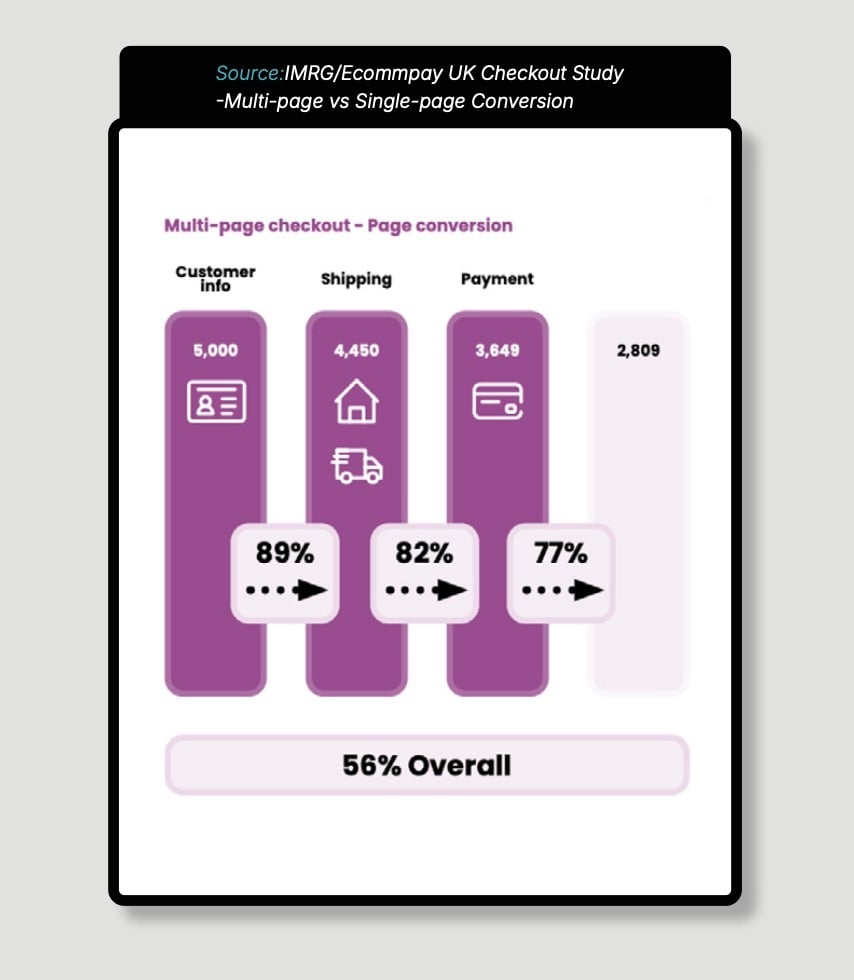
This directly impacts conversion: one study found over 70% of shoppers consider a choice of delivery options important when checking out. Give customers standard home delivery, express, and out-of-home pickup options, and they’re far more likely to complete the purchase.
We’ve seen this in action. When Flying Tiger Copenhagen introduced parcel pickup points via a multi-carrier checkout solution, they saw online conversions jump by 20%. Shoppers embraced the new flexibility. Similarly, Hairlust managed 615% order growth during international expansion by integrating new local carriers to meet each market’s needs.
Multi-carrier shipping didn’t just prevent bottlenecks, it actively enabled growth.
How to build a multi-carrier shipping strategy
Start by assessing your current shipping profile: where are you sending orders, and what service levels do you need to offer? Identify gaps or weaknesses of your current carrier (e.g., maybe they’re great domestically but costly for international, or strong in express delivery but lacking economical options). Then, research alternative carriers or logistics partners that could fill those gaps. Many retailers begin by adding one or two carriers to address specific needs, like a regional carrier for faster local deliveries or a postal service for low-cost economy shipping.
Next, implement a system to manage multiple carriers seamlessly. Juggling separate booking websites for each carrier won’t scale. Look for multi-carrier shipping software that provides a single interface to compare rates, print labels, and track shipments across all your carriers. The software can automatically select the best carrier per order based on rules you set (cheapest, fastest, lowest emissions, etc.), making multi-carrier execution efficient. And since nShift’s carrier network exceeds 1,000 providers, chances are any carrier you need is already integrated, making onboarding new delivery options much faster (often just configuration, not coding).
Delivering on your promise
Finally, be sure to communicate those delivery options clearly to customers. Offer estimated delivery dates for each option, and consider labeling choices with customer-friendly terms (e.g., “Economy (5-7 days) – $5” vs. “Express (2 days) – $15”). The goal is to let shoppers confidently choose what suits them best. When customers can find the right balance of speed, cost, and convenience, they’re less likely to abandon their cart due to delivery concerns.
Diversifying your carriers fortifies your operation against disruption and unlocks new levels of service. You’ll ship smarter, scale faster, and satisfy more customers by not putting all your parcels in one basket.
If you’d like to go deeper or share this framework with your team, explore the rest of the “Scale your ecommerce operation without limits” series:
- Diversify to deliver
- Automate for resilience
- Optimize with data
- Orchestrate without overwhelming
- Govern for growth
Ready to put it all into practice? Get the full guide: Scale your ecommerce operation without limits

Author
Thomas Bailey
Product Innovation Lead, nShift
Thomas plays a key role in shaping how new features and platform improvements deliver real value to customers. With a background spanning product, tech, and go-to-market strategy, he brings a pragmatic view of what innovation looks like in practice and how to make delivery experiences work harder for your business.