This article is part of our “Scale your ecommerce operation without limits” series, where we break down five practical strategies for building resilient, scalable delivery operations.
- Diversify to deliver – eliminating carrier bottlenecks for scalable shipping
- Automate for resilience – real-time delivery automation to eliminate manual strain
- Optimize with data – using delivery analytics for smarter shipping decisions
- Orchestrate without overwhelming – simplifying multi-option delivery experience
- Govern for growth – turning delivery operations into a scalable, repeatable machine
Prefer the full story in one place? Download the guide: Scale your ecommerce operation without limits
E-commerce leaders know that offering delivery choices can significantly increase customer satisfaction and conversion rates. However, there’s a fine line to walk: too few options can drive shoppers away (for example, 62% of online shoppers abandon carts if delivery is too slow or costly), but too many options or a confusing presentation can overwhelm customers and still drive them away. The goal is to orchestrate your delivery experience so that customers enjoy meaningful choices – like speed vs. cost vs. pickup – presented in a clear, simple manner. Meanwhile, behind the scenes, your operations team needs an organized system to manage those choices without chaos. Here’s how to achieve both.
Curate the choices at checkout
Start by deciding which delivery options to offer and how to display them. More is not always better; the aim is to present a useful range (economy, standard, express, maybe click-and-collect), not an exhaustive list of ten slightly different services. Analyze your order data and customer preferences (as discussed in the previous data post) to determine the options most likely to be used. For instance, if 95% of your customers choose either a 3-5 day option or a next-day option, you probably don’t need to surface a 2-day option at checkout – it might just clutter the interface without serving a distinct need.
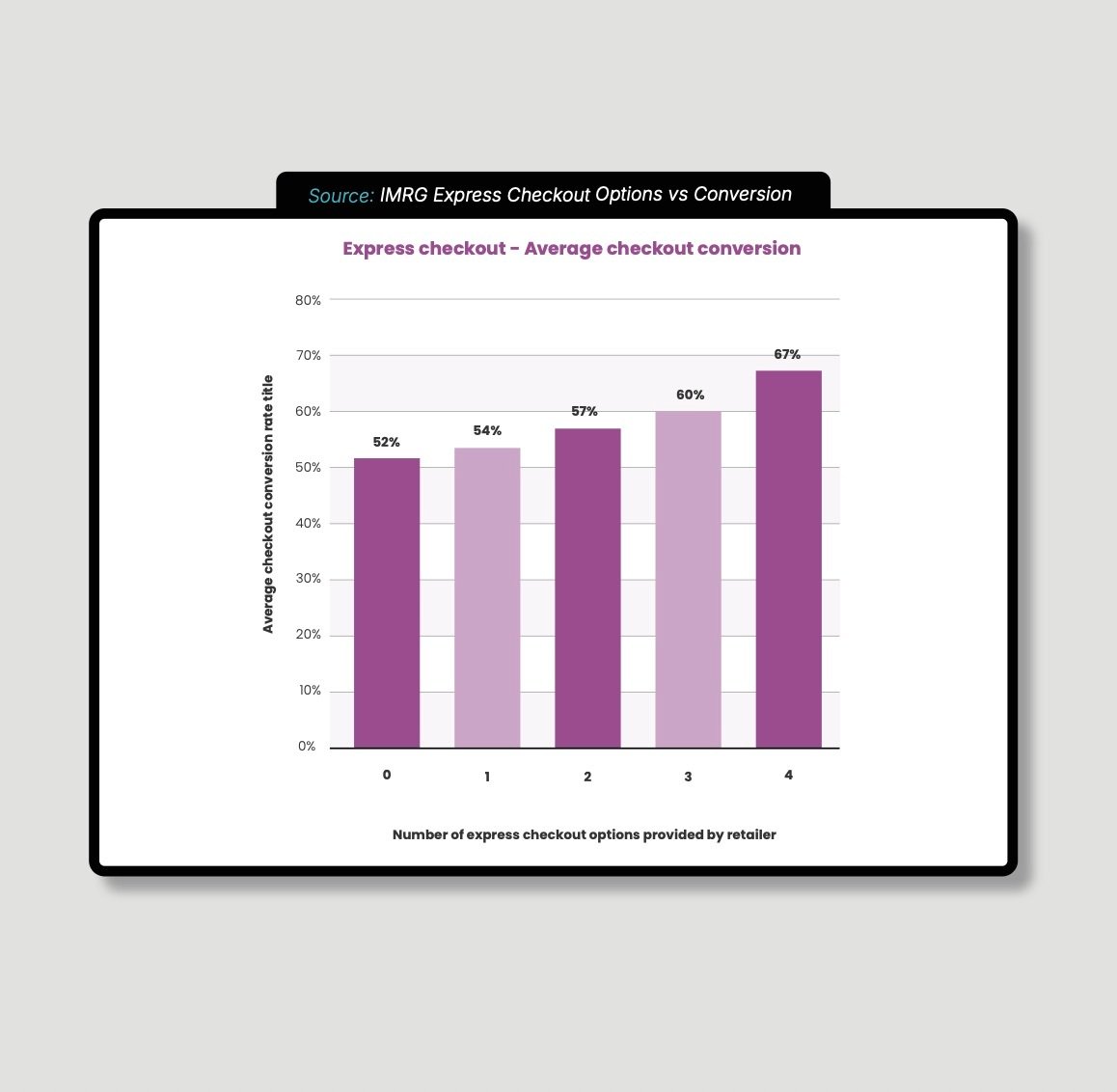
When listing options, make it easy for shoppers to choose by highlighting the differences clearly – show expected delivery dates for each service, and the cost, so they can weigh speed vs. price. Shoppers are most likely to convert when they feel in control and informed. In fact, providing a variety of clear delivery choices has been shown to lift conversion rates significantly; many retailers see a 20–30% increase in checkout completion after improving delivery options. A case in point: Flying Tiger Copenhagen added convenient pickup point delivery as an option and saw checkout conversions jump by 20%, because the new option removed friction for customers who couldn’t receive home delivery.
Simplify the customer journey
Even as you expand choice, strive to keep the buying process as streamlined as possible. Techniques include using default selections and smart recommendations. For example, if one option is clearly most popular (say, free standard shipping), you might default to that but still allow faster upgrades. Or use location data – if you know a customer lives near a partner pickup locker, you could surface “Pickup at Locker (2 km away)” as a prominent choice. One retailer found that when they set a convenient out-of-home delivery method as the default at checkout, 35% of customers stuck with it, significantly increasing usage of that cost-effective option. The key is that the default choice should satisfy a large chunk of customers, so those who just want the “best for me” option can simply trust the default and hit purchase.
Another crucial aspect is transparency. Surprises in delivery (like extra fees or unknown delivery times) overwhelm and frustrate shoppers. Be upfront with costs (include any duties or surcharges in the shown price if possible) and give realistic date ranges or dates. A “promise date” that you consistently meet builds trust and reduces post-purchase anxiety. That, in turn, means fewer customers bombarding your support with delivery questions.
Use technology to manage complexity
On the back end, orchestrating multiple carriers and options can get complicated – but modern shipping management systems are built to handle this elegantly. Instead of your team manually deciding how to ship each order, you can set business rules and let the system orchestrate. For example, rule 1 could be “If customer selects Express at checkout, use Carrier X’s overnight service,” rule 2: “If customer selects Pickup, choose the closest pickup location via Carrier Y’s API,” and so on. Your team then monitors the process via a single dashboard rather than juggling separate workflows for each option. This command-center approach keeps operations simple even as options multiply.
From the customer support angle, consolidating tracking information from all carriers into one branded tracking page (like nShift’s unified tracking) prevents confusion. Customers shouldn’t need to figure out which carrier is handling their order – they just want to click “Track my order” on your site and get all updates. A well-orchestrated system will fetch data from any carrier and display it in one place. This not only improves customer experience but also means your support agents have a one-stop view to answer any delivery question, instead of checking multiple carrier websites. It’s about making complexity invisible to the customer and manageable for your team.
Keep it consistent and on-brand
Orchestration also has a qualitative side: ensuring the delivery experience reflects your brand values. If you promise premium service, maybe that means offering a narrow delivery time window or white-glove handling – and if you promise sustainability, maybe highlighting a “green delivery” option (like bicycle courier or carbon-neutral shipping) would align with that. Whatever you choose, present it in your brand voice. For example, instead of generic option names, some retailers label options as “Fast & Free (3-5 days)” or “Express (Next-day)”. This reinforces your value prop (like free shipping over a threshold) and keeps the tone consistent.
Test and iterate
Orchestrating the optimal mix of delivery options is not a one-time task. Buyer preferences and expectations change, and new carriers or methods emerge. Use A/B testing where possible – for instance, try offering an evening delivery option to a small percentage of customers and see if it increases conversion or satisfaction. nShift’s Checkout solution allows some level of testing, enabling retailers to experiment with how choices are presented. Pay attention to metrics like cart abandonment rate, conversion rate, and option selection rates to gauge if your mix of options is well-tuned. If an option is rarely chosen, find out why (is it priced too high, or simply not desired?) and consider replacing or removing it. Conversely, if customers are gravitating to a certain option, ensure you have the operational capacity to excel at that service.
In essence, delivery orchestration is about balancing choice with simplicity. Done right, it gives customers confidence and convenience – they feel empowered, not overwhelmed, when placing an order. And it gives your team control and clarity – they can manage a multifaceted delivery operation through one coherent system. The result is higher conversions, fewer headaches, and a delivery experience that differentiates your brand. With a smoothly orchestrated delivery offering, you’re well on your way to a truly scalable e-commerce operation.
If you’d like to go deeper or share this framework with your team, explore the rest of the “Scale your ecommerce operation without limits” series:
- Diversify to deliver
- Automate for resilience
- Optimize with data
- Orchestrate without overwhelming
- Govern for growth
Ready to put it all into practice? Get the full guide: Scale your ecommerce operation without limits

Author
Thomas Bailey
Product Innovation Lead, nShift
Thomas plays a key role in shaping how new features and platform improvements deliver real value to customers. With a background spanning product, tech, and go-to-market strategy, he brings a pragmatic view of what innovation looks like in practice and how to make delivery experiences work harder for your business.