
Last update: 18.06.2025
In this blog:
Intro- Tracking issues - the missed marketing opportunity
- Poor, mismanaged returns - a recipe for customer dissatisfaction
- Carrier performance - the good, the bad, and the ugly
- Checkout challenges - the critical moment for conversion
- Cross-border challenges - the complexity of global expansion
Intro
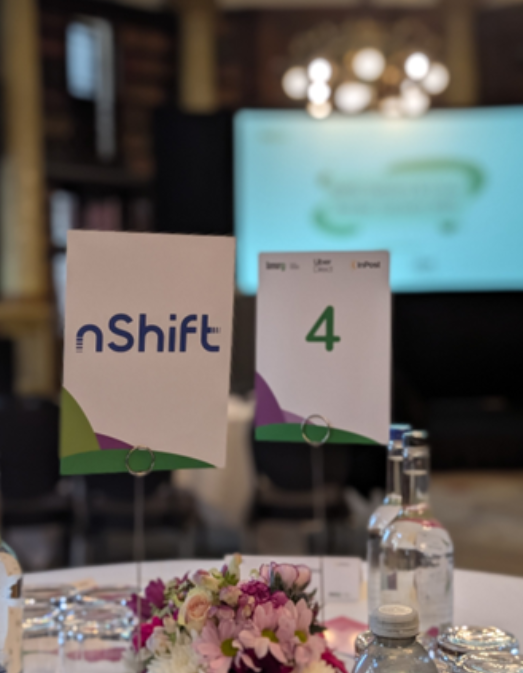
On 11 March at IMRG Delivery & Cross-Border Connect 2025, I and my colleague Jonathan Hales, hosted roundtable discussions on customer loyalty and the impact of delivery experience from checkout to returns.
Throughout the day, we also spent time with leading retailers, brands, and logistics professionals, uncovering their biggest challenges and opportunities in the delivery and post-purchase experience.
Here’s our top 5 takeaways from the event:
1. Tracking issues - the missed marketing opportunity
Tracking visibility remains one of the biggest frustrations for retailers. Many still rely on carrier-managed tracking pages, resulting in:
- High volumes of ‘Where is my order?’ (WISMO) calls, which drive up customer service costs.
- Disconnects between brand experience and delivery updates, as customers are redirected to carrier sites instead of staying engaged with the retailer.
- Missed marketing opportunities as retailers are losing valuable brand touchpoints where they could be upselling, cross-selling, or reinforcing customer loyalty.
When retailers take ownership of the tracking experience, they reduce WISMO calls, improve customer satisfaction, and can turn tracking into a revenue-generating touchpoint.
2. Poor, mismanaged returns - a recipe for customer dissatisfaction
A recurring theme in our discussions at IMRG was frustration around returns management. Many retailers told us they face:
- Disjointed internal processes, leading to delays and confusion.
- Lack of visibility for their customers, causing frustration and repeated inquiries.
- Costly manual handling, making returns expensive and inefficient.
- Missed reconversion opportunities. On average, our research has shown that 30% of returns could be converted into exchanges or repurchases with the right process.
Customers expect fast, frictionless returns, and poor experiences can destroy brand loyalty. Retailers we talked with recognized that streamlining returns, offering self-service portals, automated updates, and instant refunds can significantly boost their customer retention and revenue recovery.
3. Carrier performance - the good, the bad, and the ugly
Carrier performance remains a major concern in the top takeaways from the discussions we had during IMRG and many brands said that they are struggling with:
- Limited carrier options, reducing both flexibility and resilience.
- Poor carrier reliability, leading to late or lost parcels.
- Lack of performance insights, making it hard to hold carriers accountable.
All of these are problems for retailers and damage the relationship with their customers. Those retailers who are diversifying their carrier network and using data-driven performance monitoring find this can mitigate the risks, improving delivery consistency and protecting customer satisfaction. Real-time carrier analytics was also mentioned to enable businesses to proactively switch underperforming carriers, ensuring better SLAs and fewer customer complaints.
Access to a world leading carrier network is key, which is why we focus heavily on, and are very proud, of our 1000+ carrier network at nShift.
4. Checkout challenges - the critical moment for conversion
The checkout process is where many retailers said they are losing potential sales, some of the common struggles mentioned to us at IMRG include:
- Limited delivery options, causing cart abandonment when customers don’t see their preferred shipping methods.
- Unclear delivery costs and timelines, leading to frustration or abandonment.
- Lack of carrier flexibility, forcing retailers to rely on a single carrier, which can result in higher costs and inferior delivery performance.
- No branded experience, generic or unbranded checkout pages reduce customer trust and engagement and miss the opportunity to reinforce the brand.
It was clear to everyone that customers expect a seamless, transparent checkout with clear pricing, multiple delivery choices, and a trustworthy experience. The retailers who are optimizing their checkout, offering real-time shipping rates, dynamic carrier selection, and a branded journey are experiencing significantly higher conversions and fewer post-purchase complaints.
5. Cross-border challenges - the complexity of global expansion
The fifth takeaway from our roundtables was cross-border ecommerce which everyone saw as a big opportunity, but many of the retailers present felt unprepared for the operational complexities involved, including:
- Unexpected costs for customers, such as tax.
- Carrier limitations, with inconsistent service levels across regions.
To succeed, retailers need clear costs, strong cross-border carrier partnerships, and automated compliance with country specific regulations.
In summary
Thank you to everyone we met and shared their thoughts with us in our roundtable and other meetings during the event. IMRG Delivery & Cross-Border Connect 2025 really reinforced to us that delivery and returns are no longer just logistics issues, they are a core to every customer experience. The retailers who take control of their checkout and post-purchase journey, leveraging technology to enhance tracking, returns, carrier performance, and delivery are the ones that will win on conversion, efficiency, and ultimately, customer loyalty.
Here's the 5 things to look at in your business:
Tracking issues
High WISMO call volumes as carriers control communication, leading to a branding disconnect and missed cross-sell opportunities.
Returns
Lack of visibility causes customer frustration and inefficient warehouse returns handling, as well as high return rates for retailers with limited opportunity to reconvert or exchange.
Carrier performance
Limited carrier options reducing flexibility and increasing the risk of delay and service disruption.
Checkout
Limited delivery choices lead to high cart abandonment rate and lost sales.
Cross border shipping challenges
Limited carrier availability makes it difficult to offer reliable, cost-effective international shipping.
It’s all in the delivery
From checkout to emissions, nShift gives you full control of delivery management at every step — with branded experiences, smarter shipping, and access to 1,000+ carriers.
Explore the nShift platform


Author
Gregory Mannix
Delivery Expert
With over 20 years of experience in SaaS, ecommerce, and logistics, Greg Mannix helps retailers and logistics providers streamline delivery operations. His expertise includes optimizing carrier management, enhancing tracking visibility, and simplifying returns to improve efficiency and customer satisfaction.