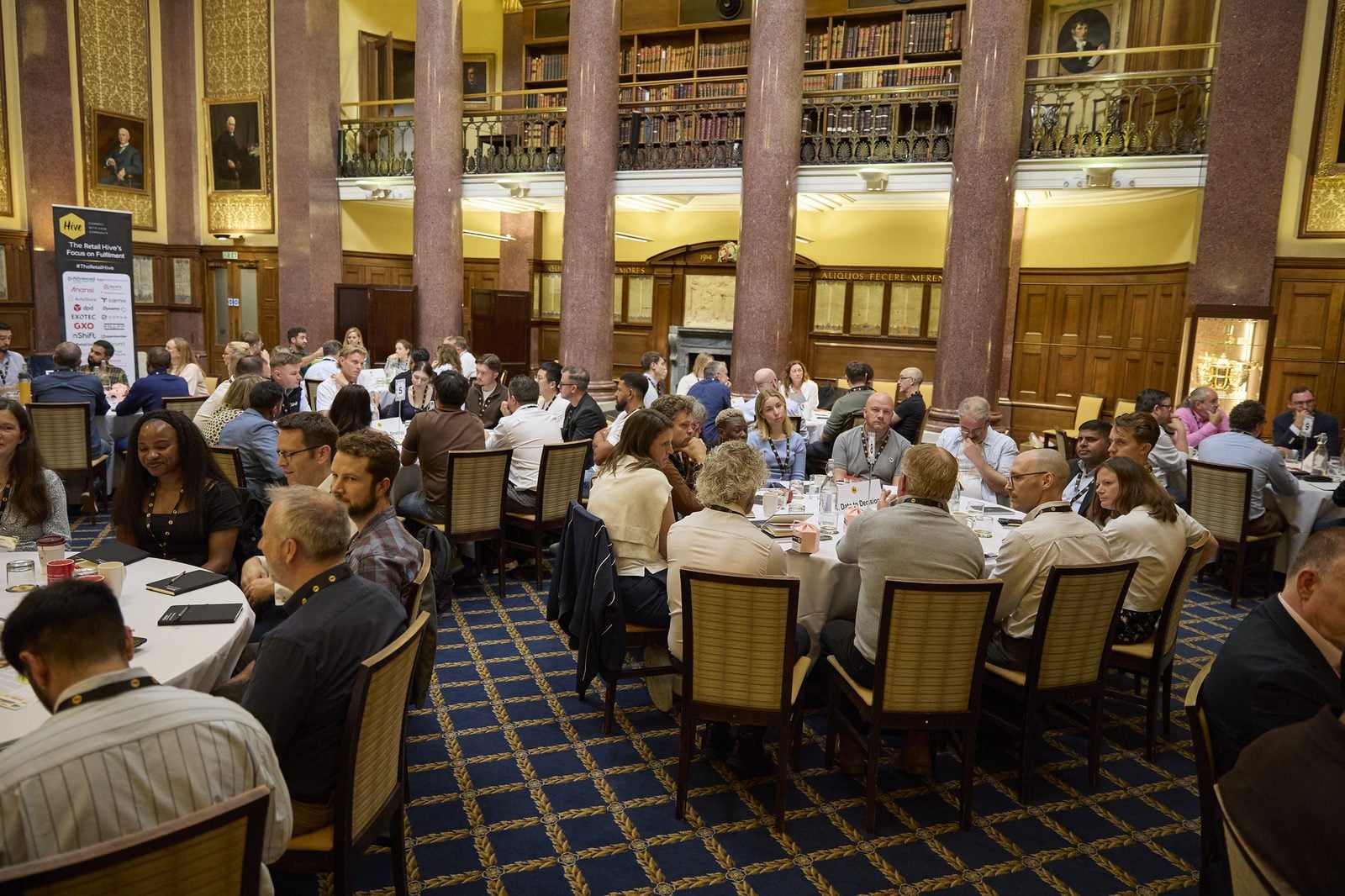
Robots, automated warehouses and intelligent hardware filled the halls at Logistics & Automation in Stockholm on 30 September and 1 October. Beyond the physical automation, another question ran through the show: how do you make the rest of the delivery operation as automated and resilient as the warehouse?
Across two days of conversations with logistics, warehouse and supply chain teams, one point kept coming back: automation does not stop when an order leaves the warehouse.
Here are three takeaways we brought home from Stockholm.
1. Resilience takes flexibility as well as efficiency
Efficient processes get tested the day conditions change: a carrier starts missing its SLA, capacity disappears during peak, costs rise, or the business opens a new market.
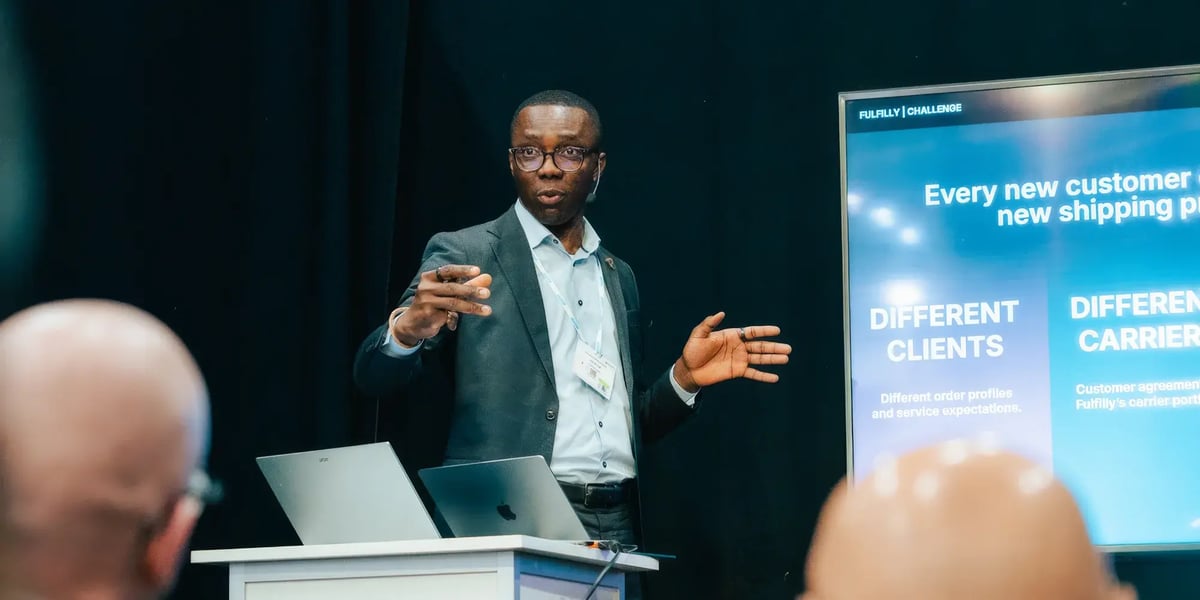
nShift's Frederick Hultman built his session, "When your carrier fails, what's your Plan B?", around that moment and presented it on both days.
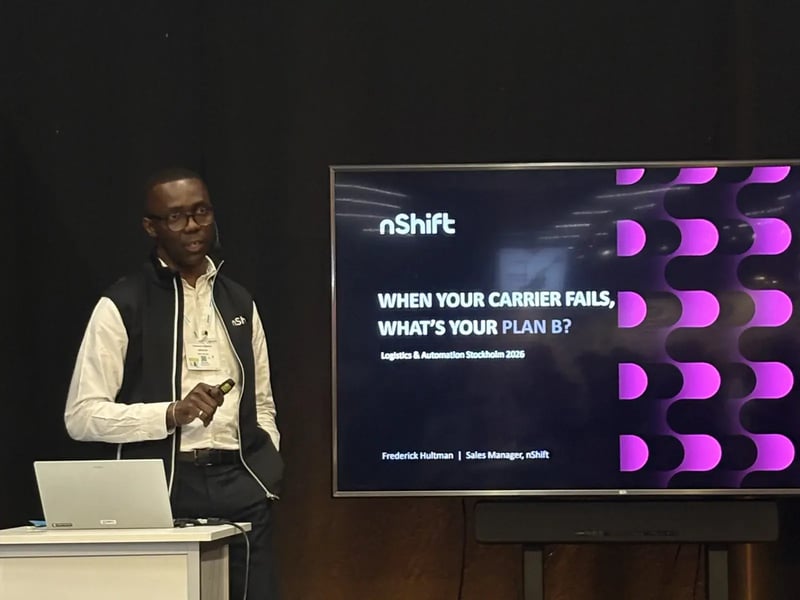
Another carrier contract only helps if the team can see the problem early and switch without adding manual work.
A multi-carrier setup, combined with carrier data and automation, makes it easier to adjust when circumstances change, whether that means switching services, reallocating volumes or adding new delivery options.
Unilever and Fulfilly show what that looks like in practice. Unilever Sweden dispatches around 800 pallets a day from its Helsingborg cold warehouse into retailer delivery windows that can be as short as half an hour, and uses nShift data to keep them on schedule. Fulfilly, a 3PL, onboards new clients and carriers without rebuilding its warehouse setup each time.
2. Automation needs to extend beyond the warehouse
Warehouse automation and robotics were naturally a major focus at the event. Automated storage, picking and packing can remove manual processes and increase throughput.
The opportunity for automation continues after the parcel is packed.
Carrier selection, shipping labels, booking, tracking, freight invoice control and post-purchase communication can all create manual work if systems and data are disconnected.
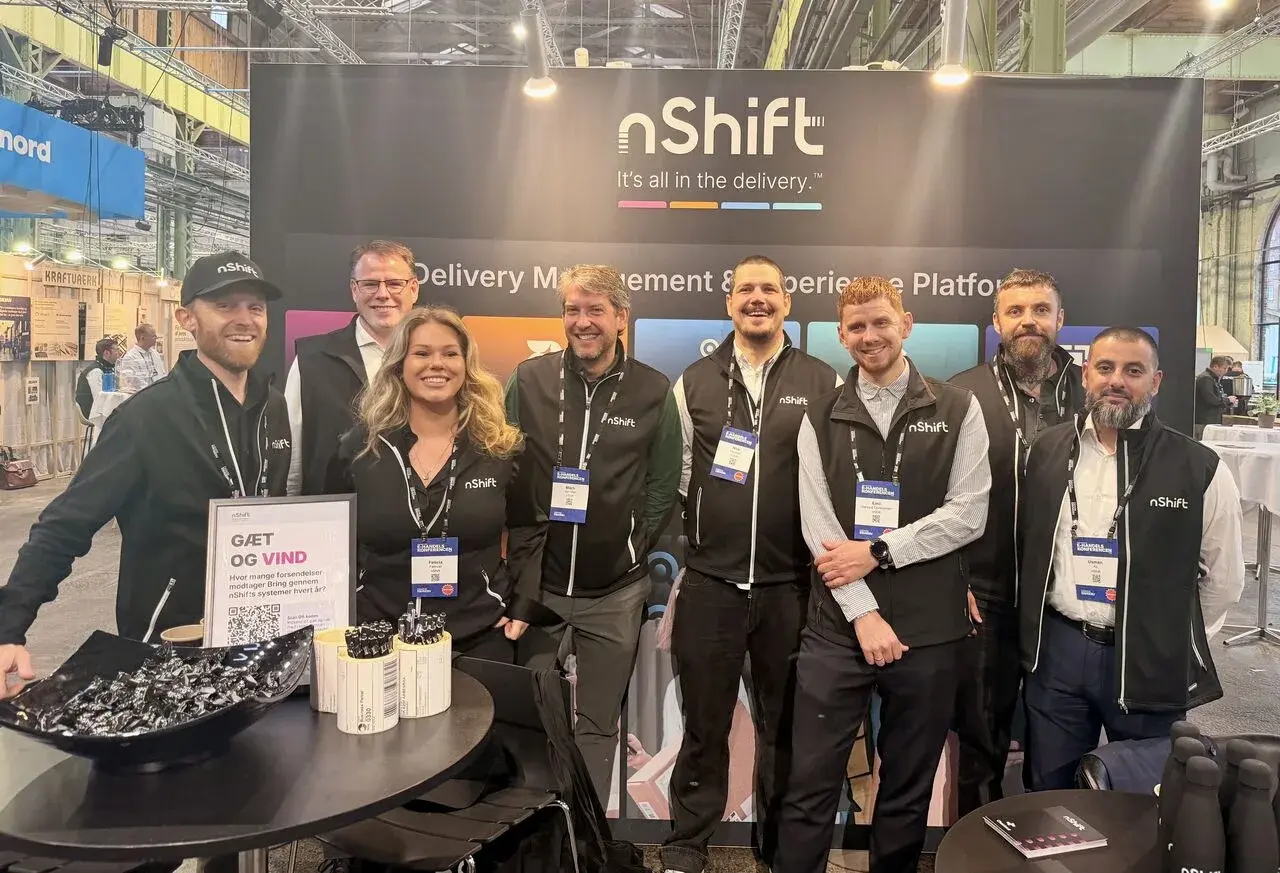
We heard the same thing at the nShift stand. Some visitors came to us with questions about technology and integrations, while others wanted to understand how software could improve specific parts of their delivery process.
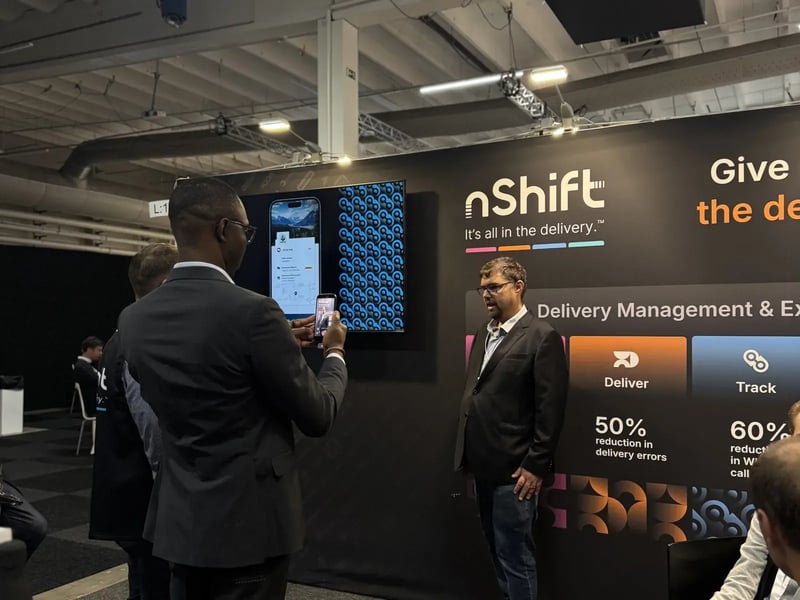
We also saw interest in nShift Audit, our newly launched product that checks carrier invoices against agreed tariffs and shipment data and recovers overcharges. Checkout came up too, with questions about how better delivery options at checkout lift conversion and the customer experience.
The bigger opportunity is to connect the stages of the delivery journey so information moves between systems and teams without manual handoffs.
Our article on the missing integration in your digital supply chain covers how ERP, WMS, e-commerce and transport systems connect from order to delivery.
3. Logistics technology has to solve a business problem
AI, robotics, automation and data ran through every hall at Logistics & Automation. The buyers we spoke to had more practical questions:
- Can we identify delivery problems earlier?
- Can we respond faster when something changes?
- Can we reduce repetitive manual work?
- Can we catch errors in our freight invoices?
- Can we give customers better delivery choices and visibility?
- Can we grow without adding unnecessary complexity?
Technology that answers those questions earns its budget.
From physical automation to connected delivery
Logistics will need both physical and digital automation.
Robotics and automated warehouse technology move goods efficiently inside the warehouse. Once those goods are ready to leave, businesses still need the software, carrier connectivity and data to decide how they should move, respond when plans change and keep customers informed along the way.
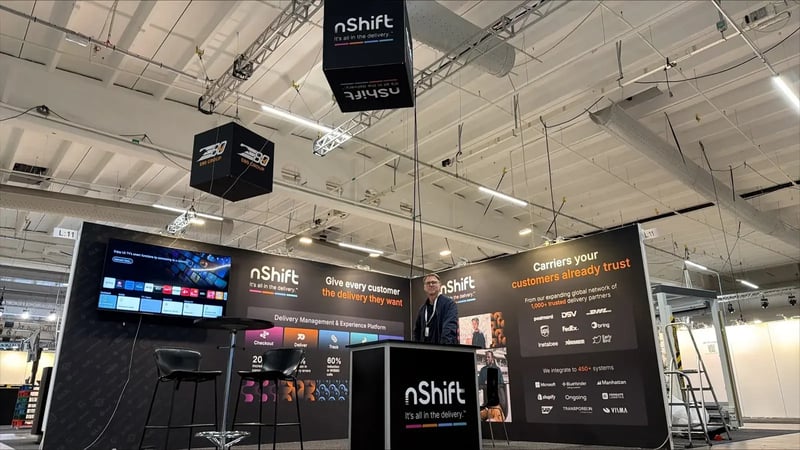
Thanks to everyone who stopped by our stand, joined Frederick's session or spoke with Felicia Falevall, Pontus Claughton, Erik Budell, Jeroen Terheggen and Frederick Hultman during the two days in Stockholm.
If you want to see what your own Plan B looks like with your current carrier mix, bring your carrier list and talk to the team.