Last update: 16.09.2026
In this blog:
- A competitive advantage
- What does an exemplary last mile delivery process entail?
- The benefits of last mile optimization are manifold
- Further reading: Last‑mile delivery experience FAQs
A competitive advantage
The right delivery management solutions can help web shops and retailers transform the last mile into a powerful competitive advantage, yielding cost savings, operational efficiency, and enhanced customer satisfaction.
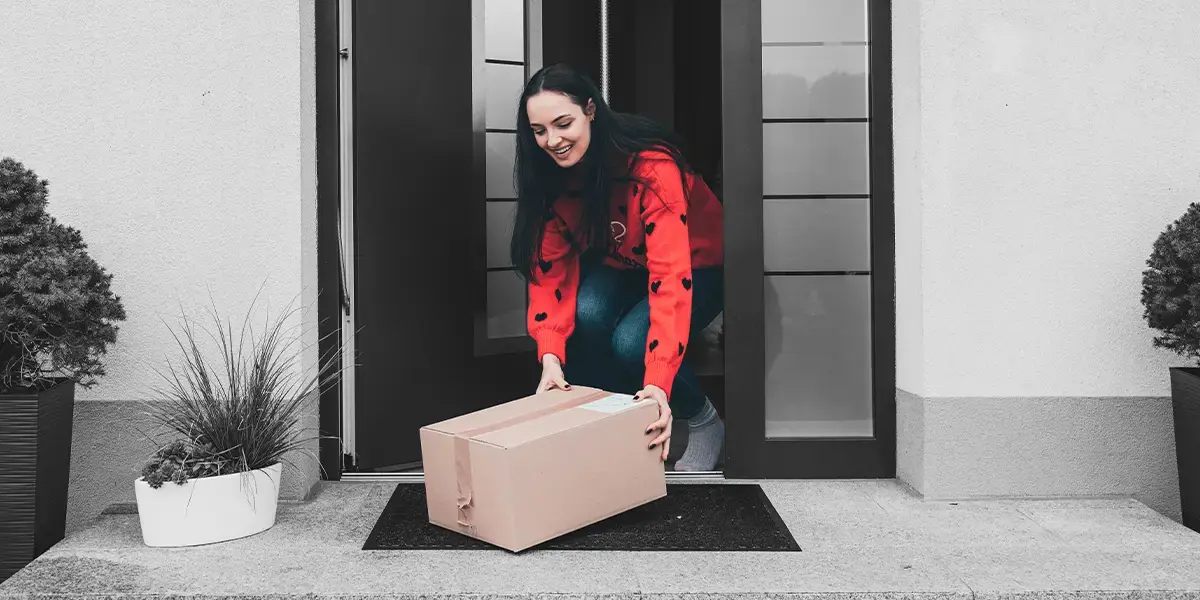
Last mile delivery solutions are transforming the supply chain by streamlining the critical final stage of package transportation. This phase, often referred to as the "last mile", "final mile" or "final leg," is the last stretch of the delivery process, taking the package from the retailer or distribution hub to the final destination - the customer's doorstep. According to McKinsey, 25% of customers are prepared to pay premiums for the same-day or next-day delivery, underscoring the need for efficient last mile software.
What does an exemplary last mile delivery process entail?
Here's a snapshot:
- Checkout Optimization: A customer places their order, enters accurate delivery information and chooses the delivery option that is most convenient for them.
- Automated Routing and Route Optimization: Advanced final mile delivery solutions automatically generate the most efficient delivery routes. By considering distance, traffic, and delivery windows, these solutions enable a reduction in delivery time, enhancing customer satisfaction and reducing costs.
- Real-Time Tracking: Upon order confirmation, customers receive an email or SMS with an estimated delivery time and a tracking link, promoting transparency and improving the customer experience.
- Efficient Resource Allocation: The delivery management software assigns the optimal driver and vehicle, minimizing distance and maximizing capacity.
- Communication and Updates: Timely updates about the delivery status help foster trust and ensure smooth communication between the customer, retailer and the last mile carrier through branded tracking pages.
- Secure and Timely Delivery: The driver adheres to the optimized route, leveraging GPS and real-time traffic updates. Contactless delivery options ensure the package reaches the customer’s address securely.
- Proof of Delivery: The electronic capture of delivery proof, such as digital signatures or photos, verifies successful delivery.
- Post-Delivery Feedback: Following delivery, customers can provide feedback, which aids in continually improving the final mile delivery process.
The benefits of last mile optimization are manifold
- Improved Customer Satisfaction: An efficient, transparent delivery process leads to heightened customer satisfaction, fueling positive reviews, repeat business, and increased customer loyalty.
- Operational Efficiency: Through route optimization and efficient resource allocation, businesses can decrease delivery time, cut fuel costs, and reduce idle time.
- Cost Savings: Reduced delivery errors and streamlined processes lead to substantial savings in operational expenses.
- Enhanced Reputation: Consistently excellent day delivery services build a strong business reputation, attracting new customers.
- Data-Driven Insights: Last mile delivery solutions offer valuable data, providing insights into delivery performance, customer preferences, and operational bottlenecks.
In conclusion, the last mile delivery process, which refers to the final journey of a package, is paramount in the e-commerce supply chain. By capitalizing on mile delivery solutions, businesses can ensure an efficient, customer-centric delivery experience and reap the benefits of last-mile delivery in terms of reduced costs, improved reputation, and heightened customer satisfaction.
It’s all in the delivery
From checkout to emissions, nShift gives you full control of delivery management at every step — with branded experiences, smarter shipping, and access to 1,000+ carriers.
Explore the nShift platform
Further reading: Last‑mile delivery experience FAQs
Why is excellent last‑mile delivery critical for customer loyalty?
How does last‑mile delivery impact brand reputation?
What cost savings do companies gain from last‑mile optimization?
Why do customers value delivery visibility and convenience?
How does fast delivery drive higher conversion and retention?
What role does predictive analytics play in last‑mile delivery?
How does optimizing last‑mile delivery improve operational efficiency?
How can a superior delivery experience set brands apart in competitive markets?
References:

About the author
Erik Meyer
Erik Meyer brings over a decade of experience in the logistics industry, with expertise spanning supply chain management, purchasing, logistics, and ecommerce. As a leader in solution consulting, he works closely with businesses to address complex challenges and implement innovative strategies that drive efficiency and long-term value.