2026 Delivery trends report
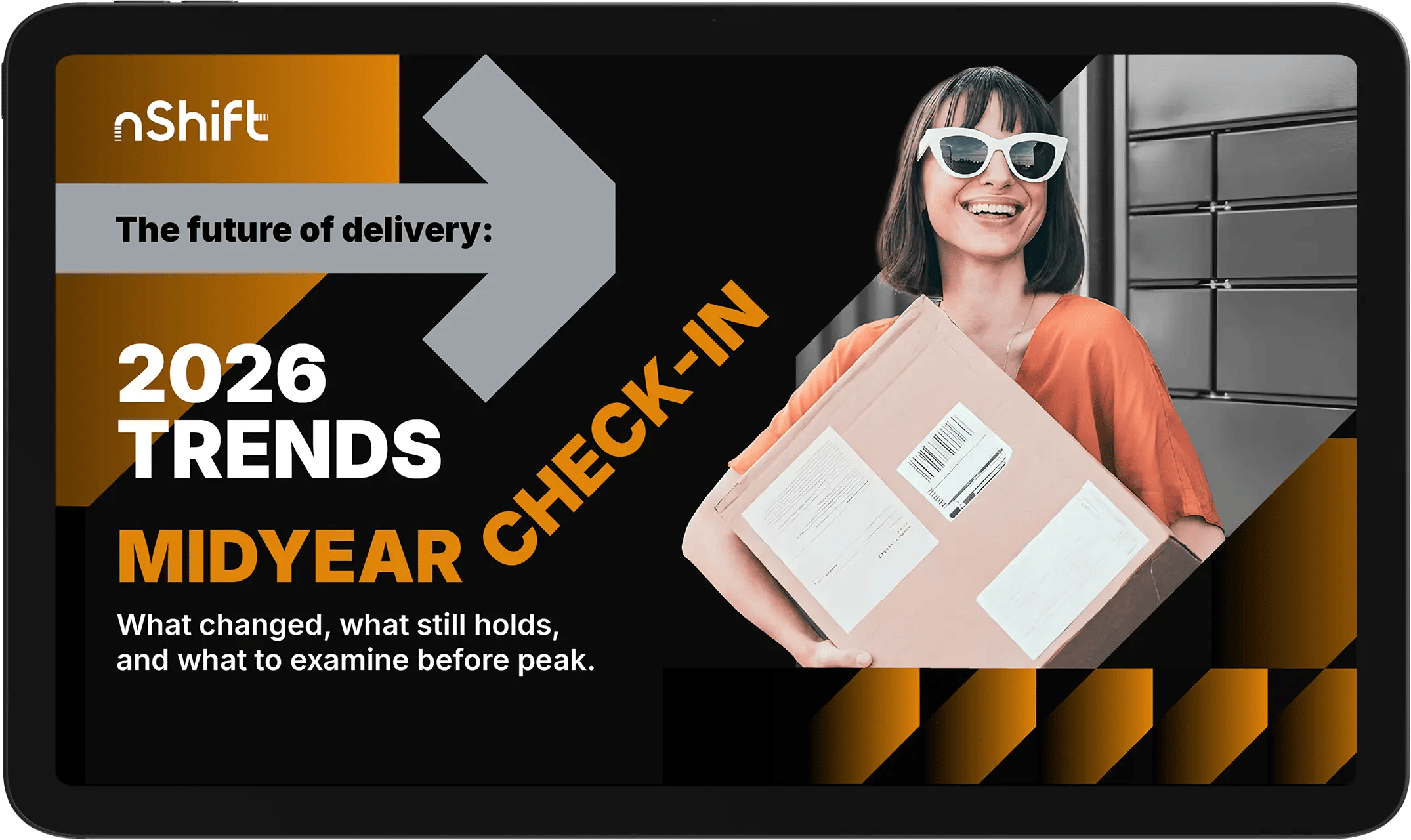
The future of delivery: 2026 trends mid-year check-in
The year delivery became harder to predict
At the start of 2026, we named the ten delivery trends worth watching. Six months on, some are moving faster than expected, while others are taking a different shape.
Get the full report and discover what the first half of the year has revealed.
-
Where momentum has built for each trend
-
Where the picture has changed: the four shifts that rewrote H1
-
What deserves a closer look before peak

Our new report follows the trends happening now and changing how delivery works. Get all the signals in one place, with a clearer view of what the rest of 2026 could bring:
- The mid-year trends scorecard
- The systems delivery now depends on
- Fresh signals to watch in H2 2026
- The questions to answer before peak
Where should we email you the report?
Prefer the podcast?
Featuring nShift's Thomas Bailey, Aleksandar Milovanovic and Frederick Hultman, with ecommerce strategy advisor Vanja Eriksson.
Together, they through all ten trends and give each a straightforward verdict: what held, what we underweighted, and what caught us out.

How our 2026 predictions are holding up
Trend #1
AI and autonomous decision-making
Midyear verdict: On track, narrower than the hype.
17% of supply chain organizations pursue transformational AI redesign; 83% apply it incrementally (Gartner).
Most AI work remains incremental. That is where promise accuracy, delay handling and customer inquiries improve, when the data is clean and someone can act on the result.

Trend #2
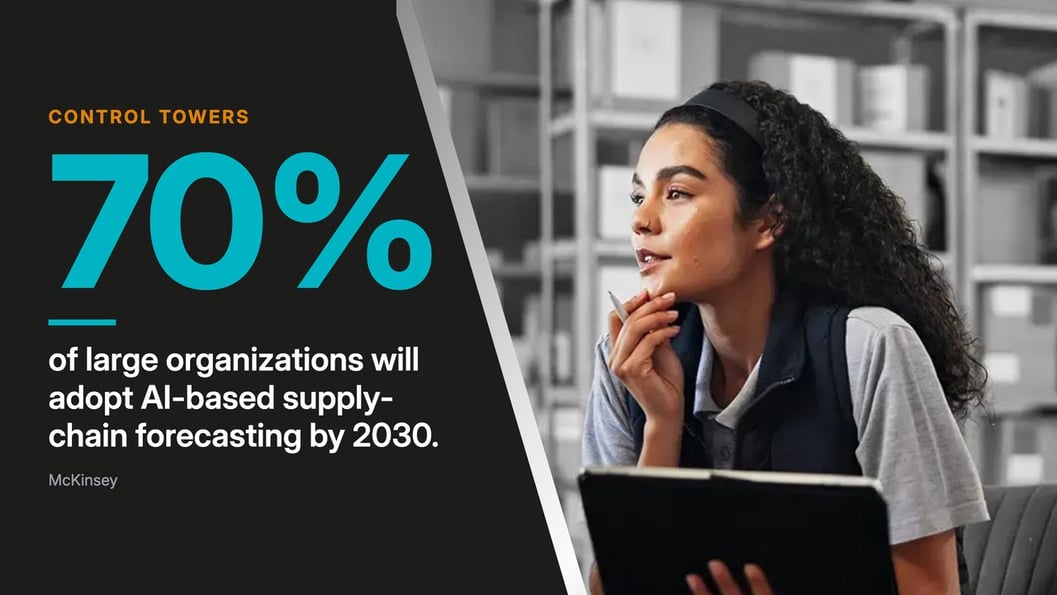
Predictive analytics, control towers, digital twins
Midyear verdict: Steady progress, built use case by use case.
Investment is flowing into discrete use cases, such as forecasting, rather than enterprise redesigns.
Teams are adding predictive tools one scenario at a time: a late carrier event when it triggers a reroute or a customer update before the miss reaches the shopper.
Trend #3
Platformization and API ecosystems
Midyear verdict: Confirmed, with the action in an unexpected place.
eFTI on schedule for July 2027; five agentic commerce protocols launched in nine months.
APIs now determine how fast a business can add a carrier, launch a market and make delivery terms readable to AI shopping tools. If your delivery options cannot be read by a machine, they are becoming invisible, period.

Trend #4
Delivery choice and customer-centric fulfillment
Midyear verdict: Confirmed and intensifying.
67% of shoppers have abandoned a cart over the delivery offering (DHL, 2026).
The strongest confirmation of the ten. Delivery choice is part of the sale. The strongest retailers fine-tune by market, postcode and what the network can reliably deliver.
Plus: returns moved out-of-home first, just as we called it.

Trend #5
Last-mile innovation and urban logistics
Midyear verdict: Confirmed, with an ownership surprise.
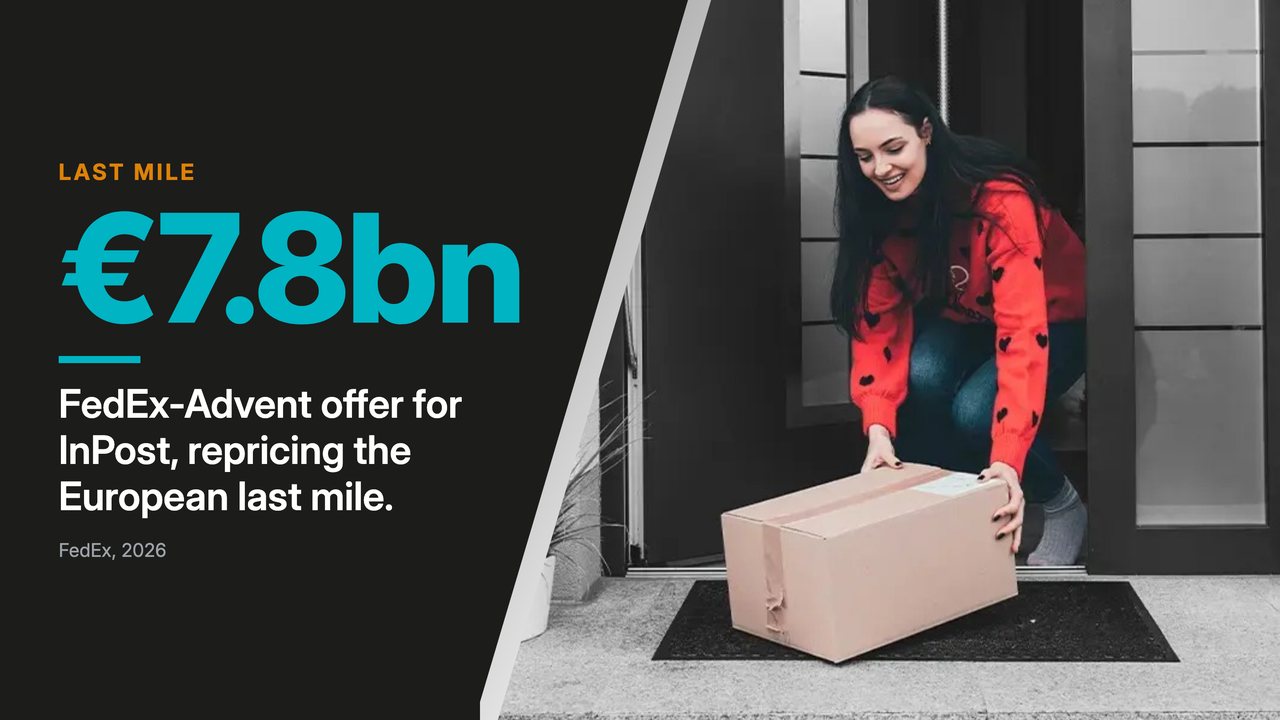
Out-of-home volumes up 31% at Geopost; a FedEx-led €7.8bn offer for InPost.
Lockers and pickup points are core infrastructure in major cities. Ownership changes now affect capacity, data access and rate negotiations.
Trend #6
Supply chain resilience and targeted nearshoring
Midyear verdict: Right theme, different protagonist.
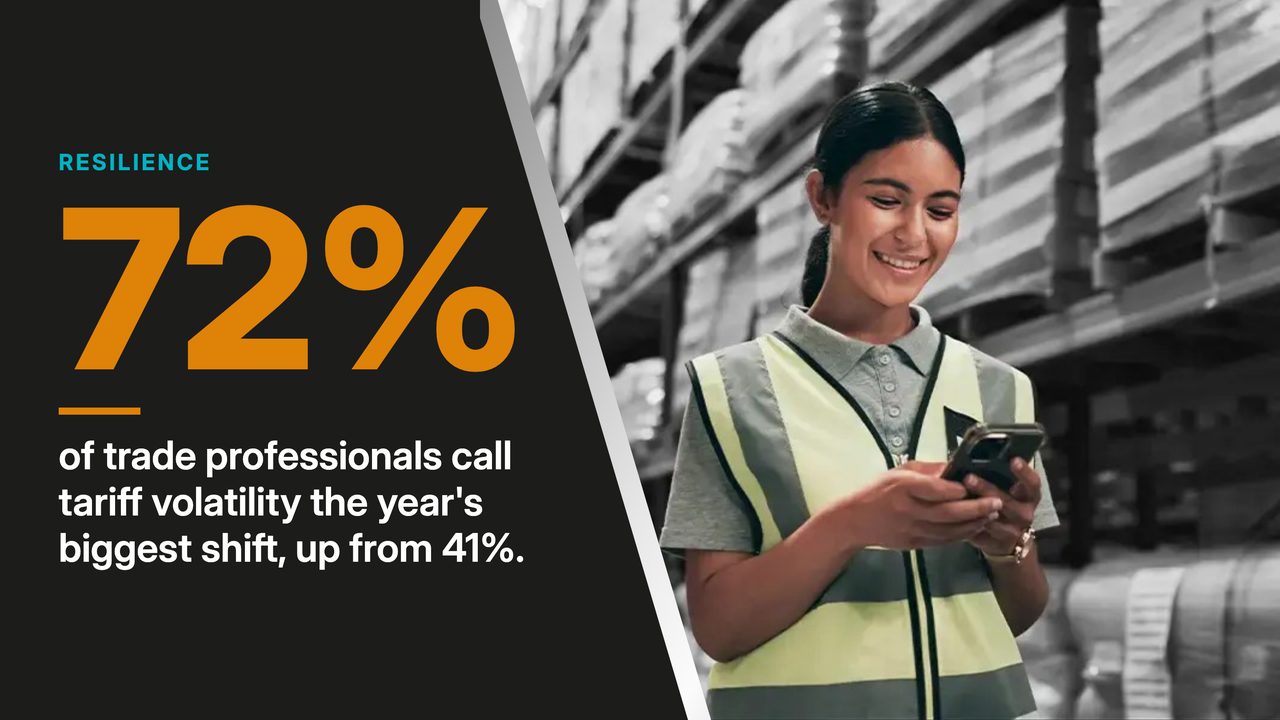
The case for network flexibility came out stronger than we made it. Resilience held as a design requirement, but the force that reshaped networks was trade policy rather than climate or gradual regionalization.
Tariffs and customs rules changed cross-border flows faster than nearshoring. A backup route works only when the carrier, documentation and customer promise can switch together.
Trend #7
Electrification and green fleet transition
Midyear verdict: Vans on track, trucks behind.
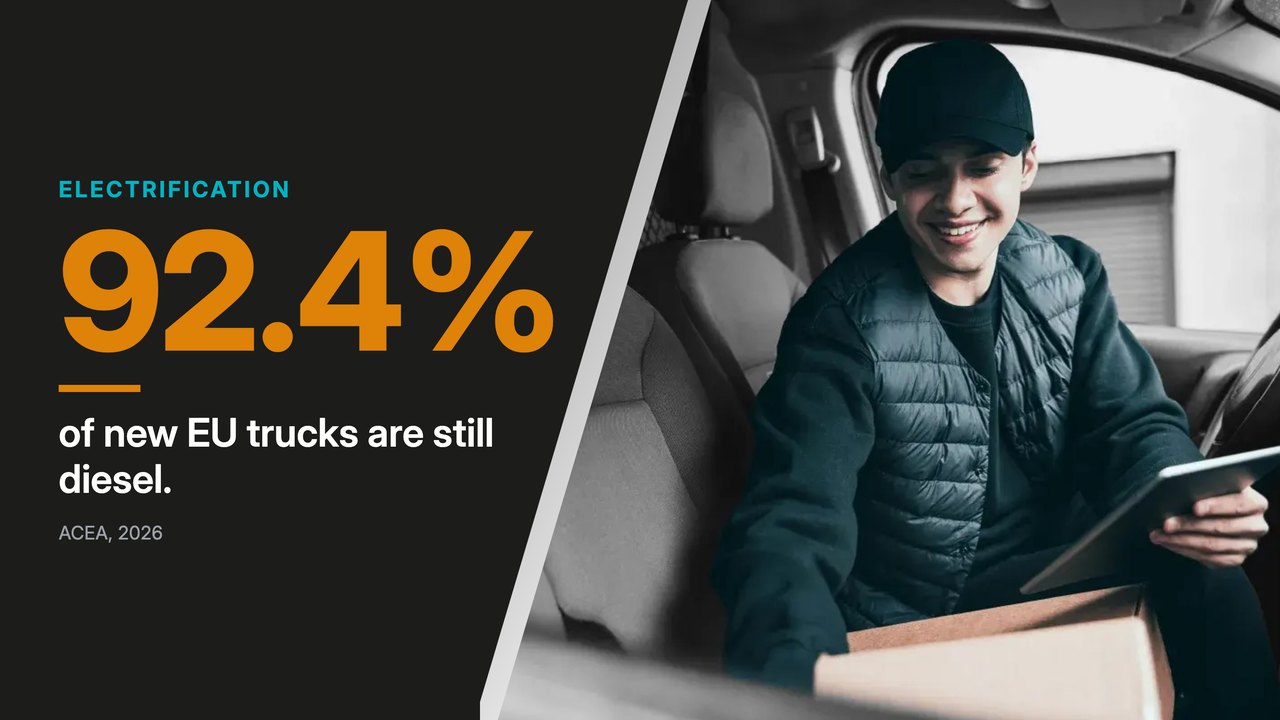
Electric vans reached 12% of EU registrations; electric trucks just 4.4%.
We're seeing electric vans moving into parcel fleets, while heavy trucks still depend on charging, depot capacity and routes that work day after day. The pressure is shifting from regulators to customers and tenders faster than we expected.
Trend #8
Warehouse robotics and operational twins
Midyear verdict: Confirmed at the top, uneven below.
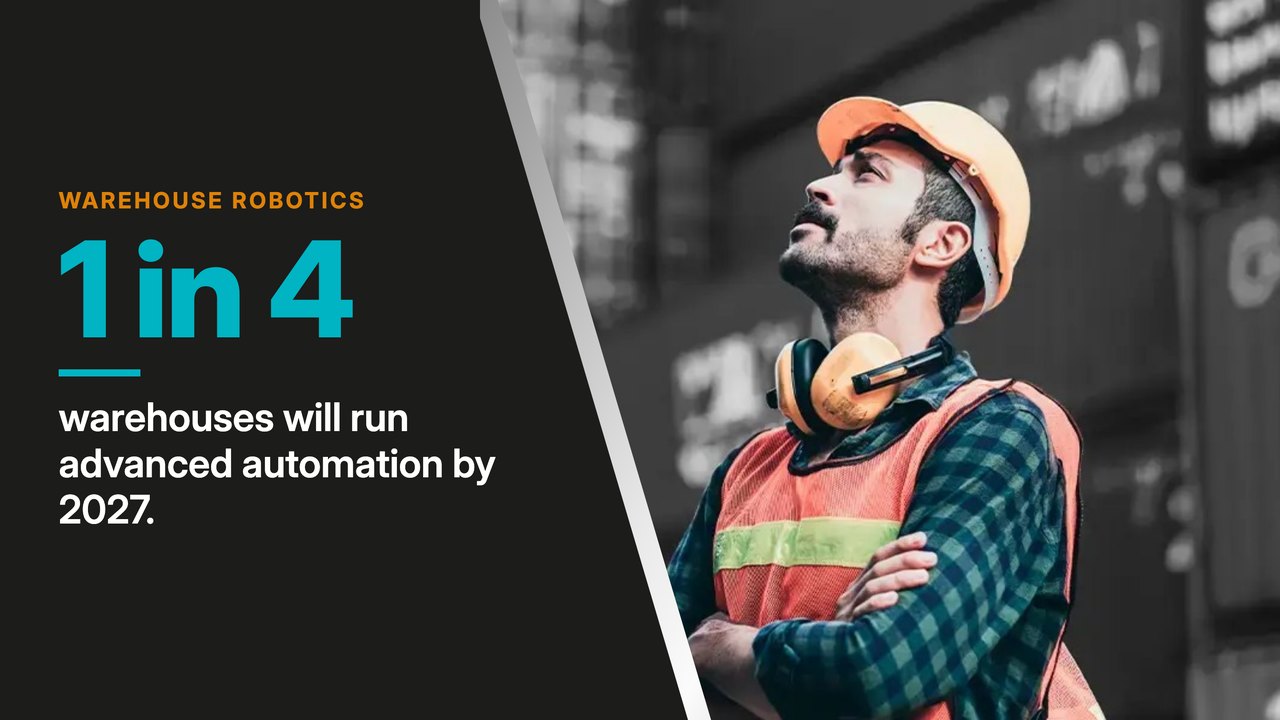
Robotics is advancing fastest in large operations. Amazon committed more than €10bn to its European network with three new robot platforms.
While advanced operators are compounding their lead, most warehouses are still deciding where to start. Advantage accrues to those who connect automation to the rest of the delivery chain, like transport planning and customer updates before a missed handover.
Trend #9
Regulatory backbone and data
Midyear verdict: Still architecting logistics, blueprint redrawn.
The deadlines moved and multiplied: climate reporting eased, with ETS2 delayed to 2028, and CSRD cut back - while customs, DSA, and AI transparency rules arrived and added work.
Compliance is becoming data architecture; one trusted shipment record beats a new data project for every change.

Trend #10
Evolution of retail and customer demand
Midyear verdict: The fastest-moving trend of the ten.
A clear validation of everything we predicted about AI-mediated demand. AI is changing product discovery; merchants still own checkout, where delivery dates, fees and returns terms need to be clear enough for people and machines to trust.
The networks that can expose accurate, machine-readable promises, and keep them, are winning twice: with the agent, and with the human it shops for.

What we didn't see coming
Four developments caught us, and much of the industry, off guard in the first half of 2026. Together, they test whether carrier services, customs data, checkout pricing and customer communication can change together.
What will H2 2026 reveal next?
The trade-policy shock
Trade policy took over parcel economics. New customs rules altered cross-border pricing and documentation at speed: the US de minimis withdrawal, the European postal suspensions that followed, the Temu and Shein pivot into Europe, and the EU's €3 duty on small parcels from 1 July.
The ownership wave
Last-mile infrastructure changed hands, impacting capacity, locker access and negotiating power. A FedEx-led consortium agreed to buy InPost for €7.8bn, DHL and Evri completed their merger, DPD and GLS pooled German lockers, PostNL moved to split its parcels arm, and Royal Mail began rebuilding the UK universal service.
Brussels softening
The EU loosened one set of rules and tightened others. ETS2 slipped a year and moved to 2028, CSRD lost most of its scope, and truck CO2 targets gained flexibility, all in one quarter, even as the 2040 climate target hardened. Customs, AI transparency and the online withdrawal function kept adding operational work.
The agentic inversion
Discovery through AI exploded while delegated checkout retreated, leaving merchants holding the transaction and the delivery promise. The data you expose to machines (such as delivery dates, fees and returns terms) has become demand infrastructure with direct influence on how far a shopper gets.