
In this blog:
- Intro
- Returns Admin
- Returns Order
- Returns Analytics
- Returns Inbound
- Return Rescue
- Further reading: Returns management FAQs
Intro
1 in 3 items purchased in webshops is returned. Each return costs around £20 to process. It’s too much. Save money, reduce handling time and create better experiences for your customers.
nShift Returns is built around the concept of Reverse e-commerce, meaning that the system works as your e-commerce – but in reverse. Below, you can read a brief introduction to our basic modules.
Returns Admin
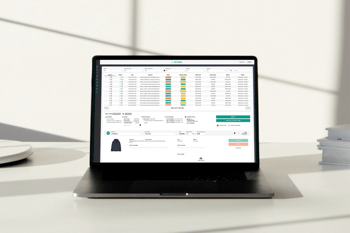 Your entire e-commerce returns flow in one platform where you can see, manage and solve all return-related issues. From business rules to refund values. From automatic notifications to track and trace.
Admin is the one-stop shop for managing returns, exchanges, and claims that everyone in your returns organization can use. Customer service. Warehousing. Finance. You name it.
The hub facilitates the automation of processes and smart return flows. Regardless of market, language, currency, or technical platform, you can resolve everything on the same single platform.
Returns Order
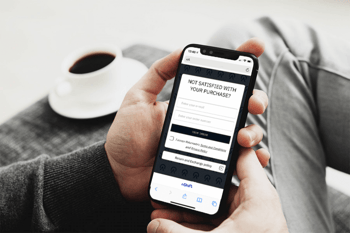 Build loyalty with the best possible customer experience. Returns Order is the interface where your customers can return, swap, or claim in just a couple of clicks.
Result? More revenue converted to new purchases. Lots more happy customers are coming back for more.
The Order module digitizes your entire return registration process. Submit a return. Report a claim. Exchange for a new product or size. Select a shipping provider. Shoppers can do it all in a few clicks; every return experience is uniquely tailored to them.
By offering your customers the opportunity to exchange for a different product, color, or size when submitting a return, you can re-convert 30% of all returns into new revenue.
Download the free Guide: From Returns to Retention
Returns Analytics
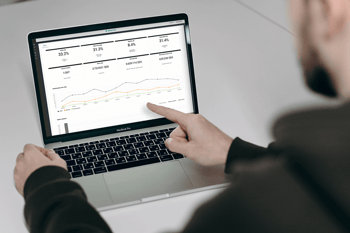 The data-driven dashboard in Return Analytics enables you to identify trends and work proactively with returns management to improve profitability, customer experience, and rate of returns.
Analytics uses your data to build a detailed picture of which products are coming back and why. So you can reduce your returns rate, minimize costs and give customers the best possible shopping experience.
Visualize and compare all your returns data to answer key questions about your returns process:
- How do return rates vary between different markets?
- Are there any factors that returned goods have in common?
- What are the underlying causes of returns and complaints?
Returns Inbound
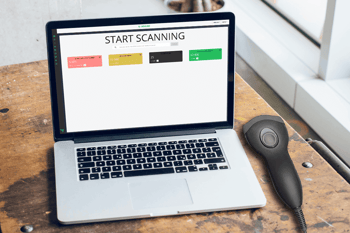 Handling a return without using a system can take more than 10 minutes, with the Inbound module, you can eliminate more than 90% of the time and handle returns in under 10 seconds.
A super-efficient, super-simple returns management tool – created by warehouse workers, for warehouse workers.
How to use it? It is simple:
1. Scan the label's barcode or QR code with a hand scanner
2. Open the parcel and check the product
3. Click 'OK'
4. Done!
Return Rescue
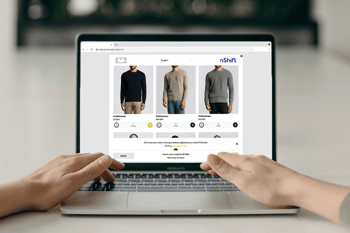 Rescue is the sustainability module that promotes circular consumption and reduces climate impact - for you and your customers. Products that were once loved by consumers can be given several new leases of life in circular e-commerce through recycling, reuse, and reselling.
Integrating seamlessly with all other nShift Return modules, Return Rescue makes it quick and easy for shoppers to return once-loved items they no longer want.
The module is co-developed with nShift customer ASKET.
Make returns simple for your customers & smarter for you
nShift Returns delivers branded, self-service experiences while giving you the tools to prevent avoidable returns, automate refunds, and restock faster.
Discover more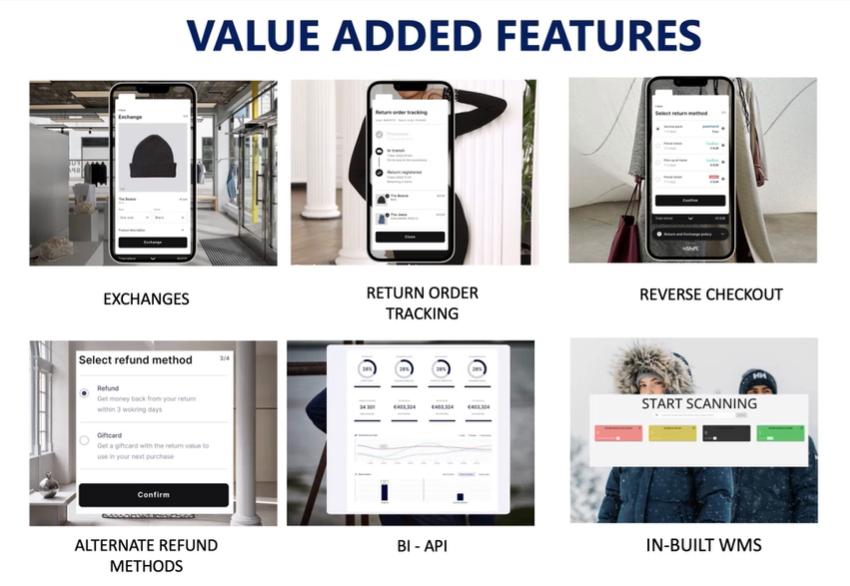
Related posts you might like:
- What type of consumer does your e-com store attract?
- 5 reasons to digitize your warehouse returns process
- The future of reverse logistics: how technology is changing the way we think about returns